EDUARDO STUPÍA – IMPREVISTO | TRANSITORIO
April 15 to June 15, 2026
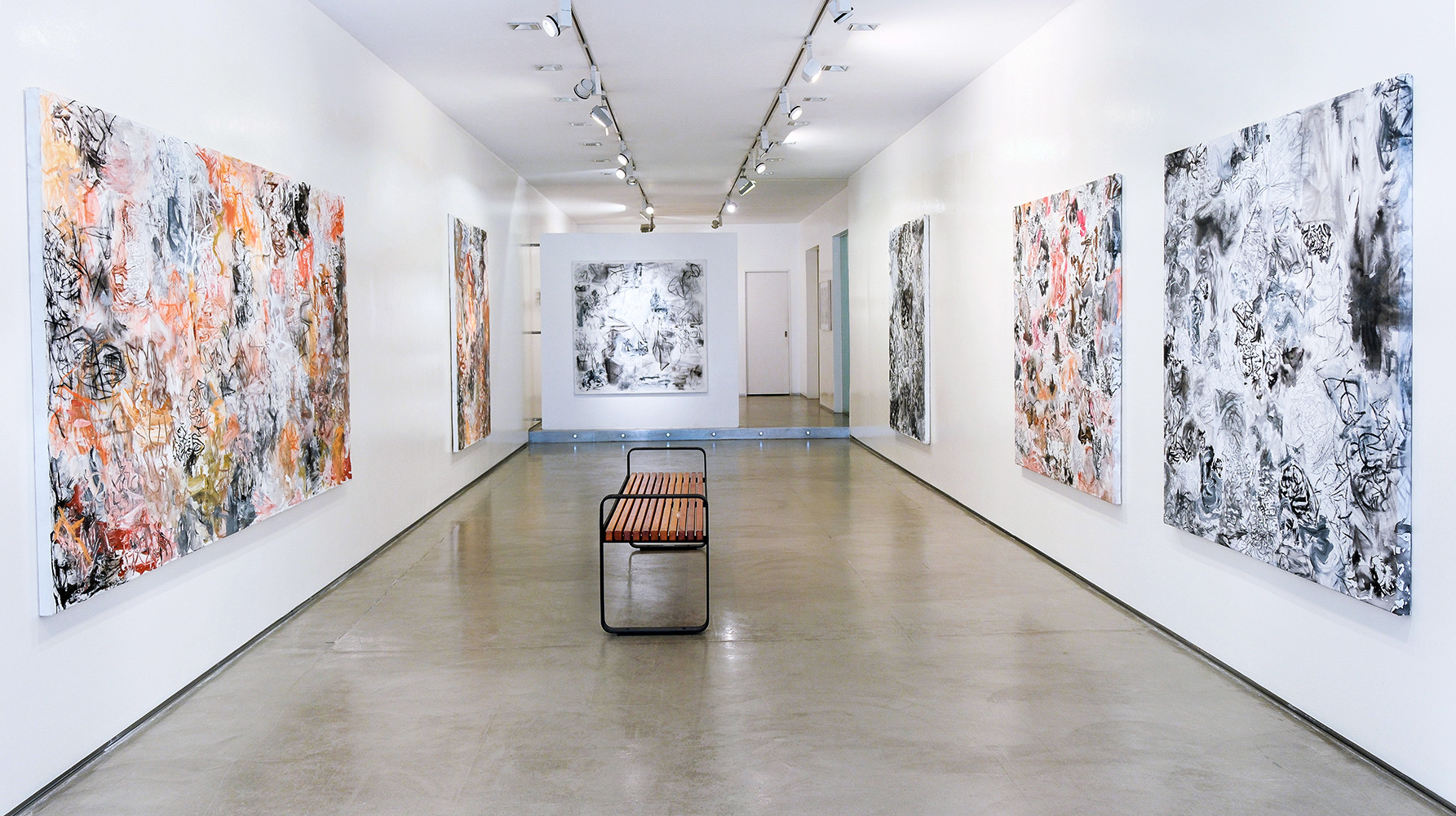
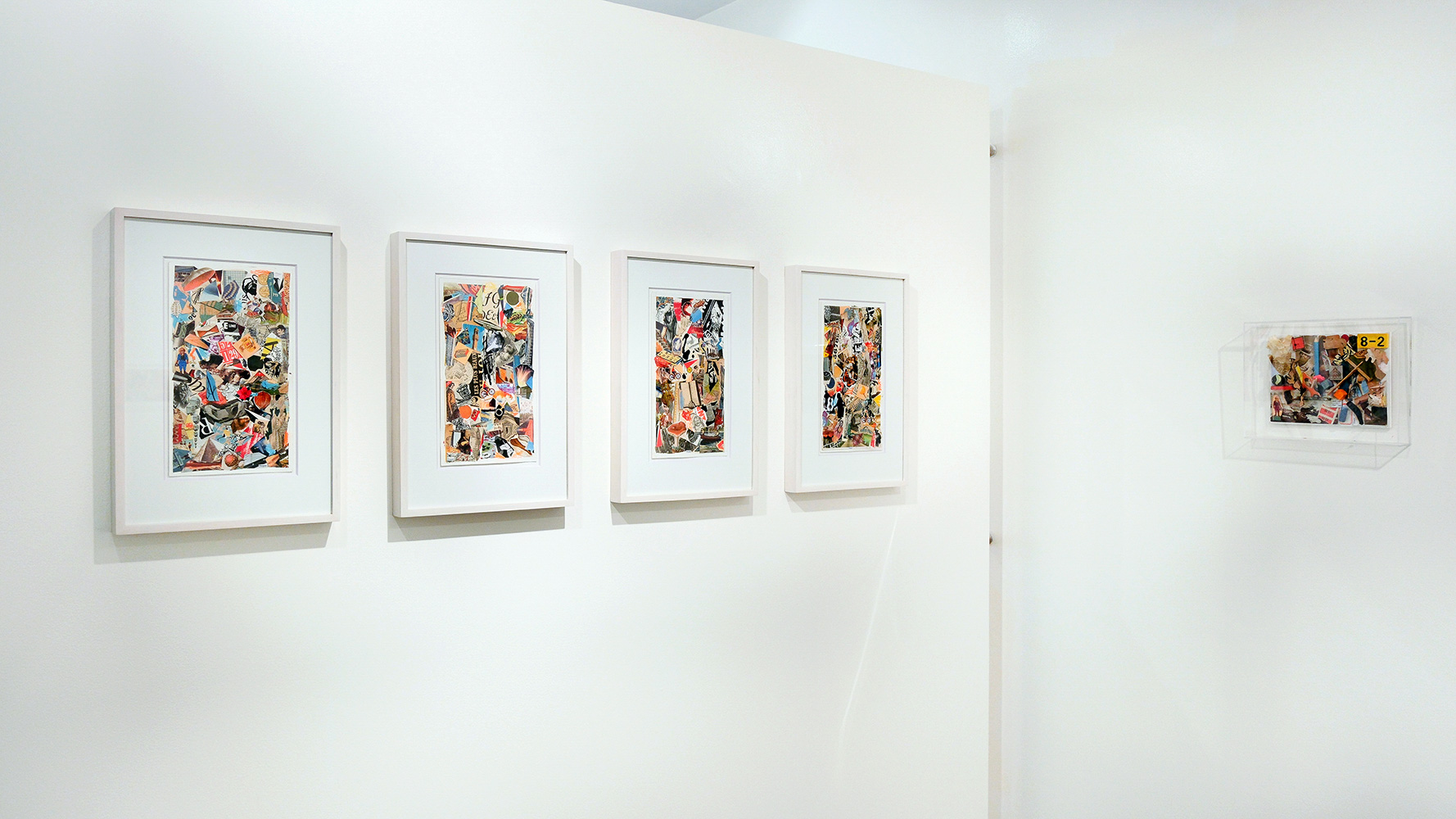
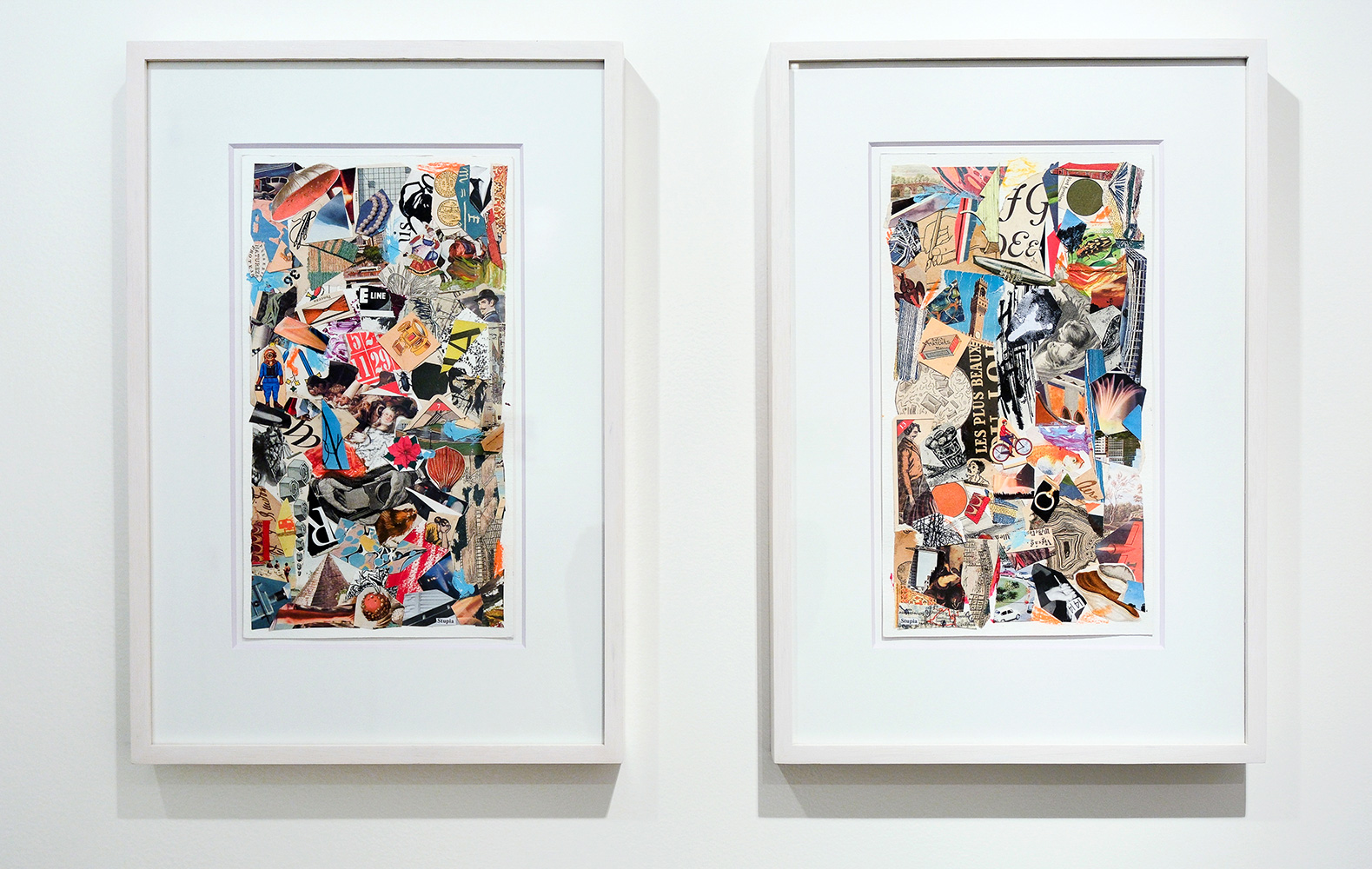
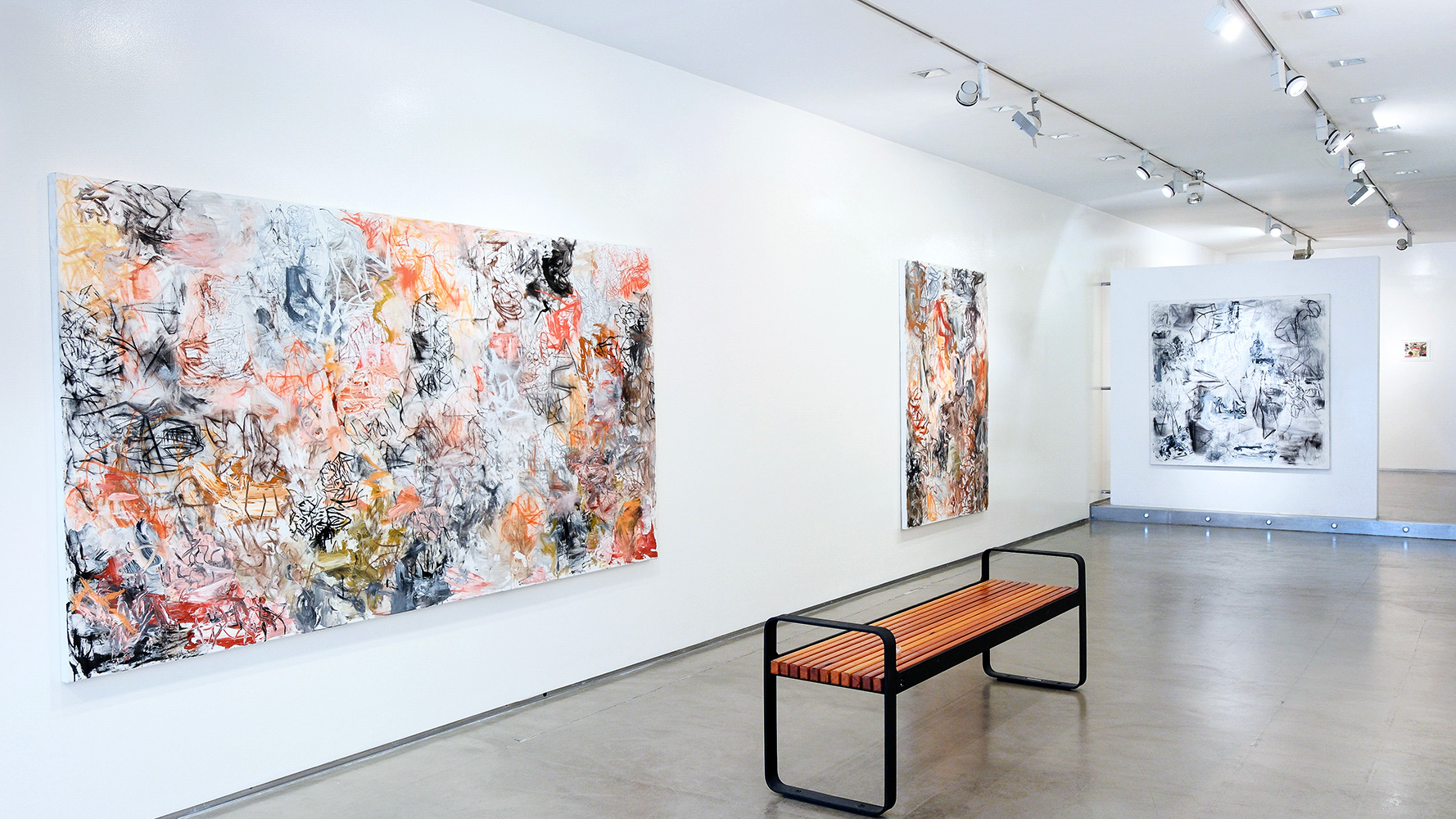
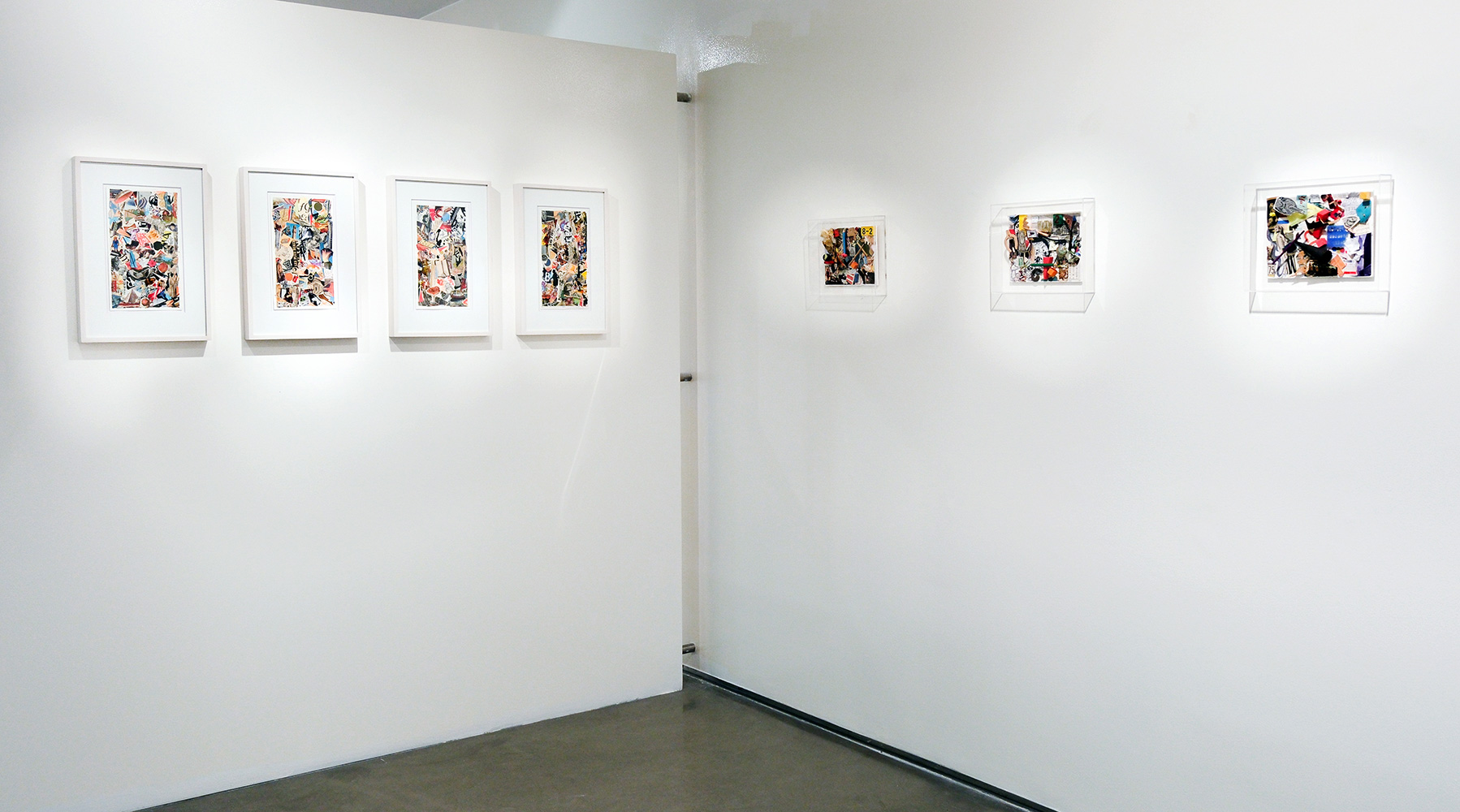
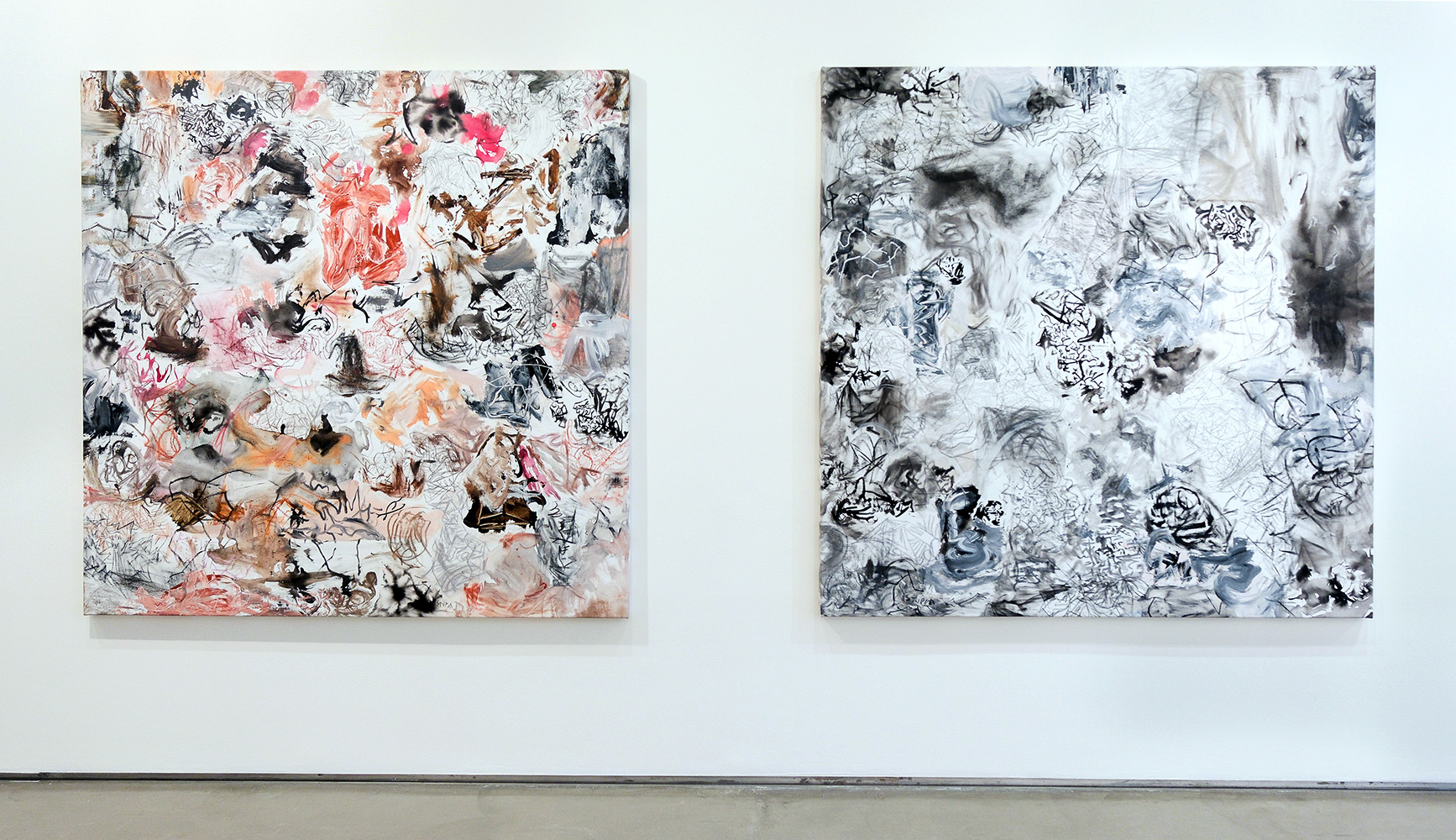
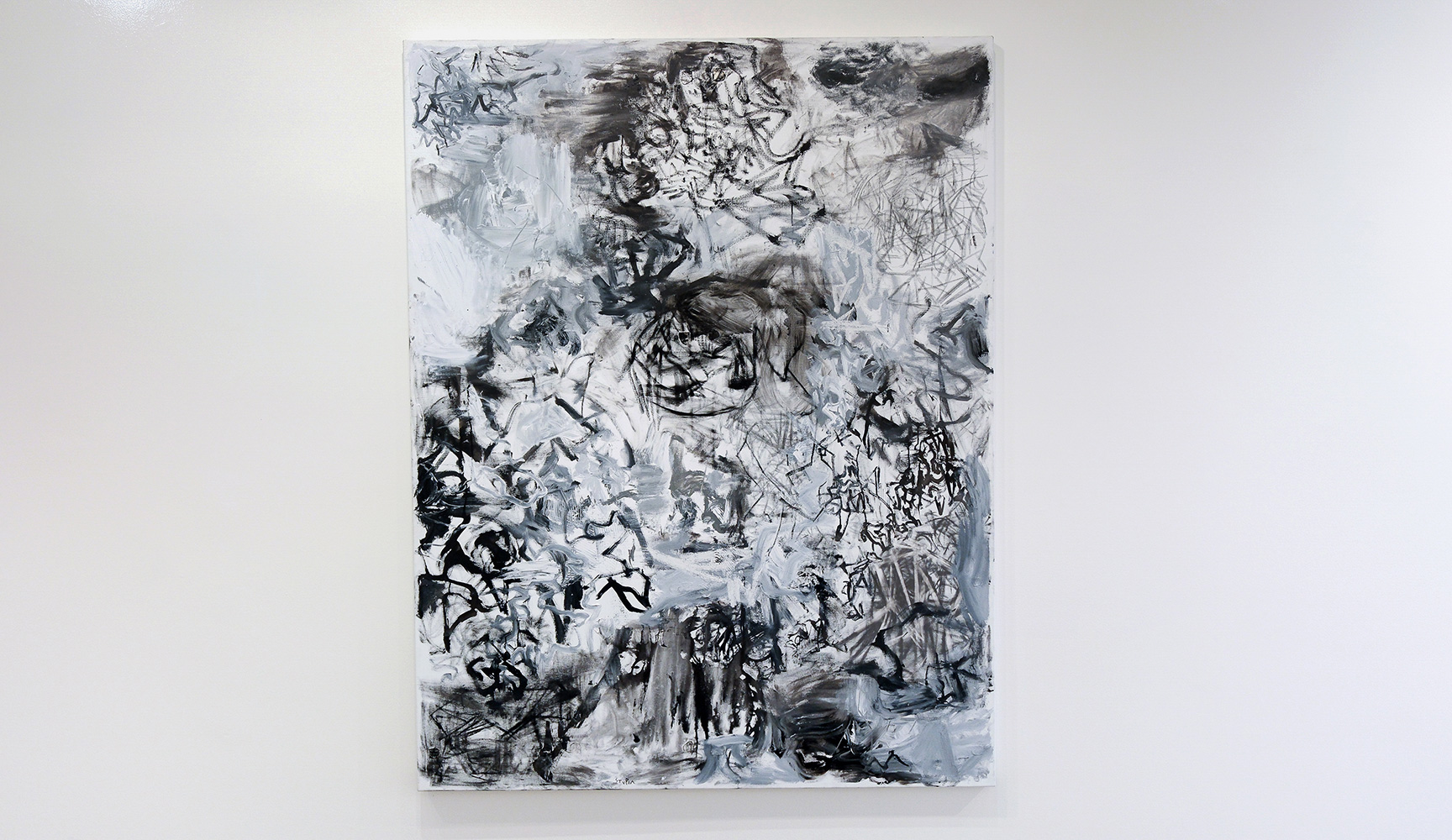
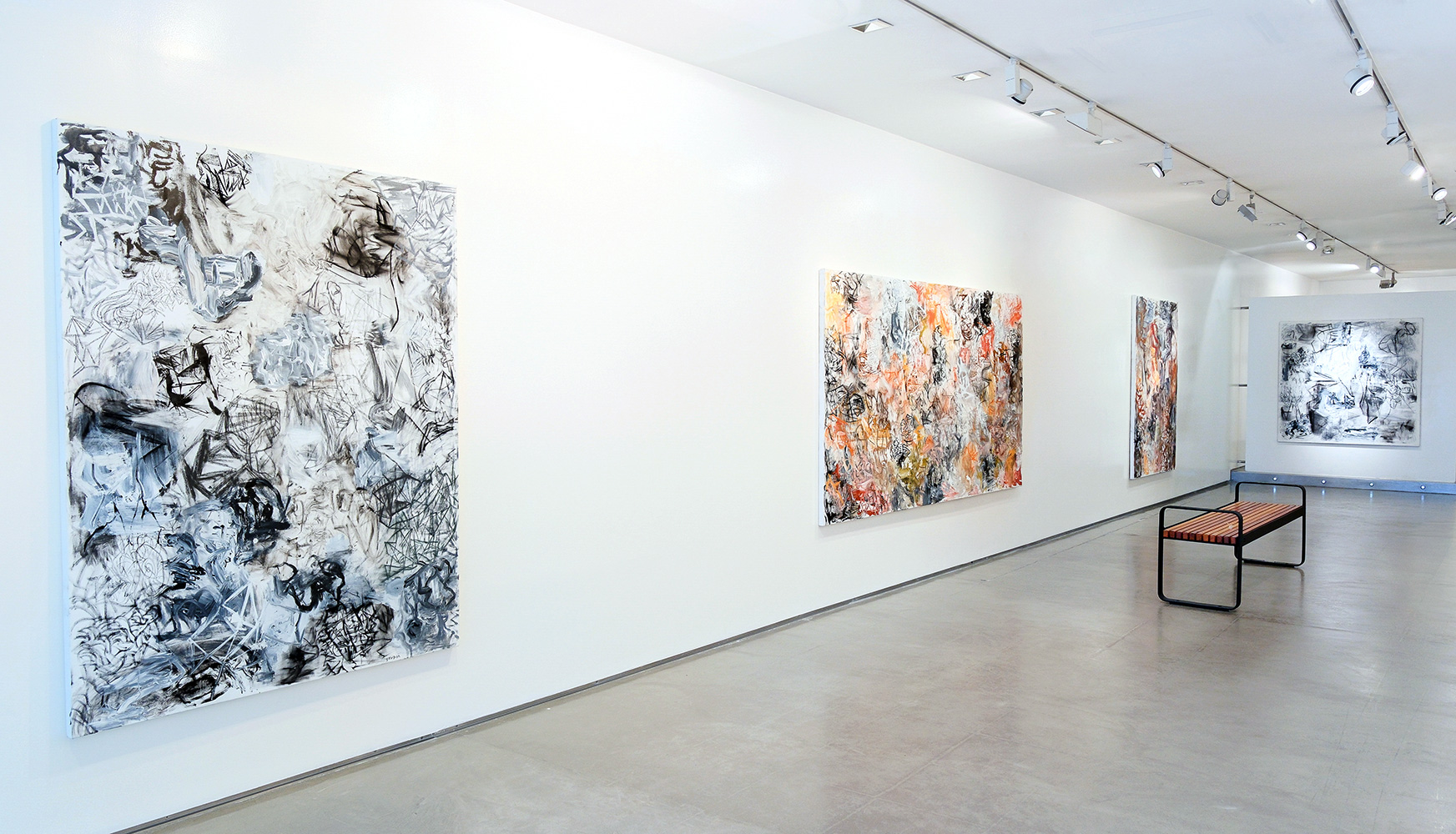
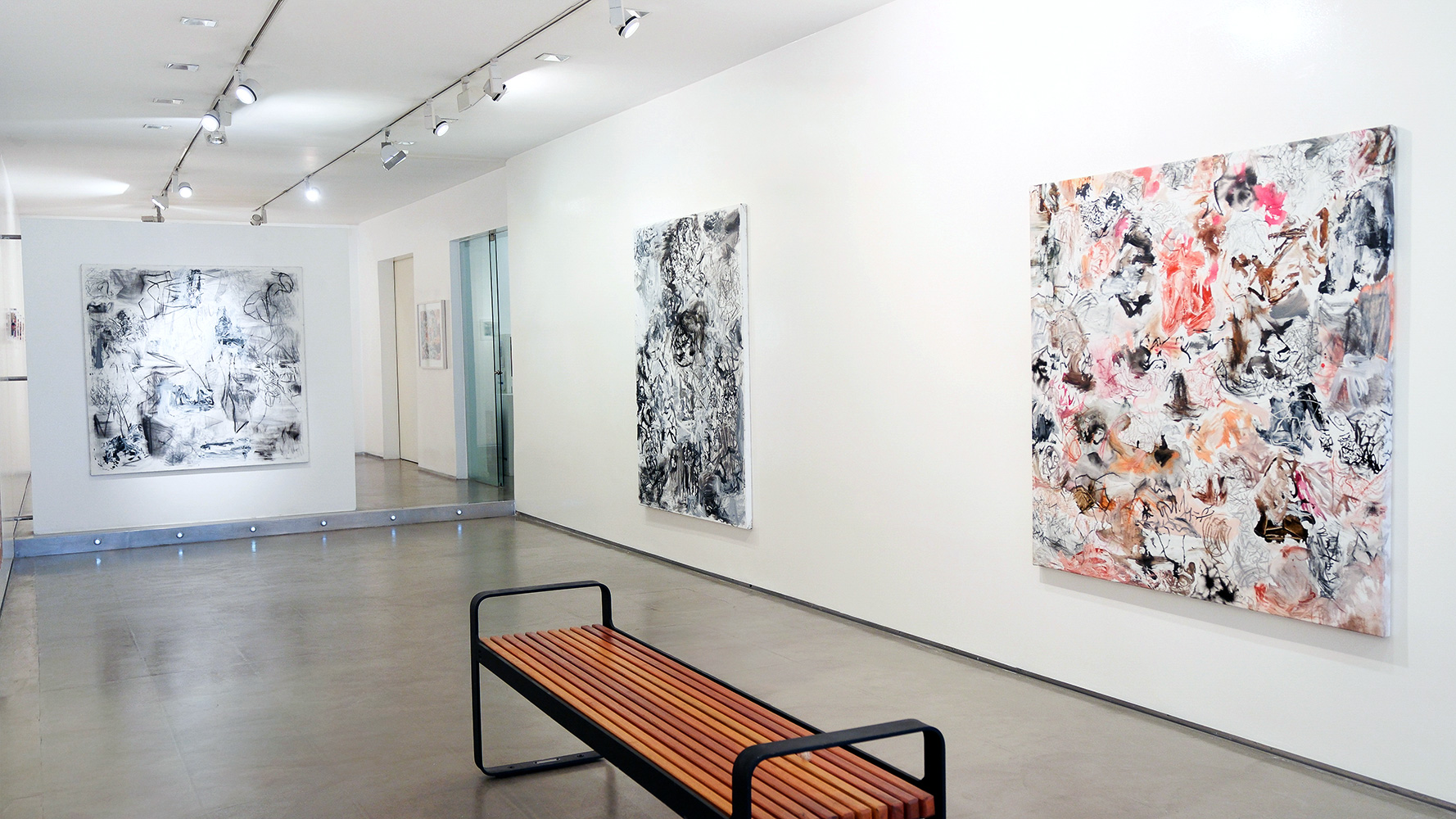
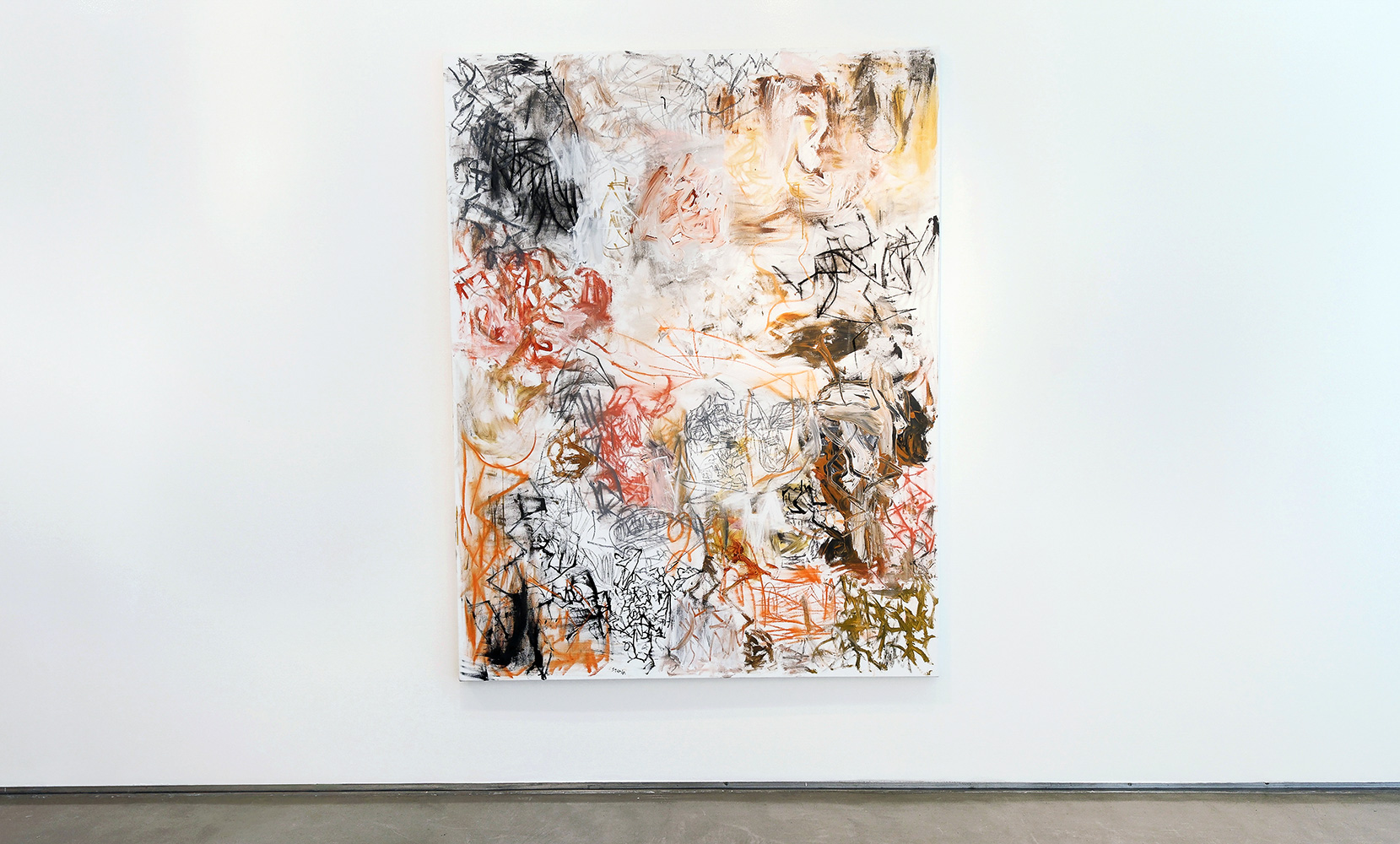
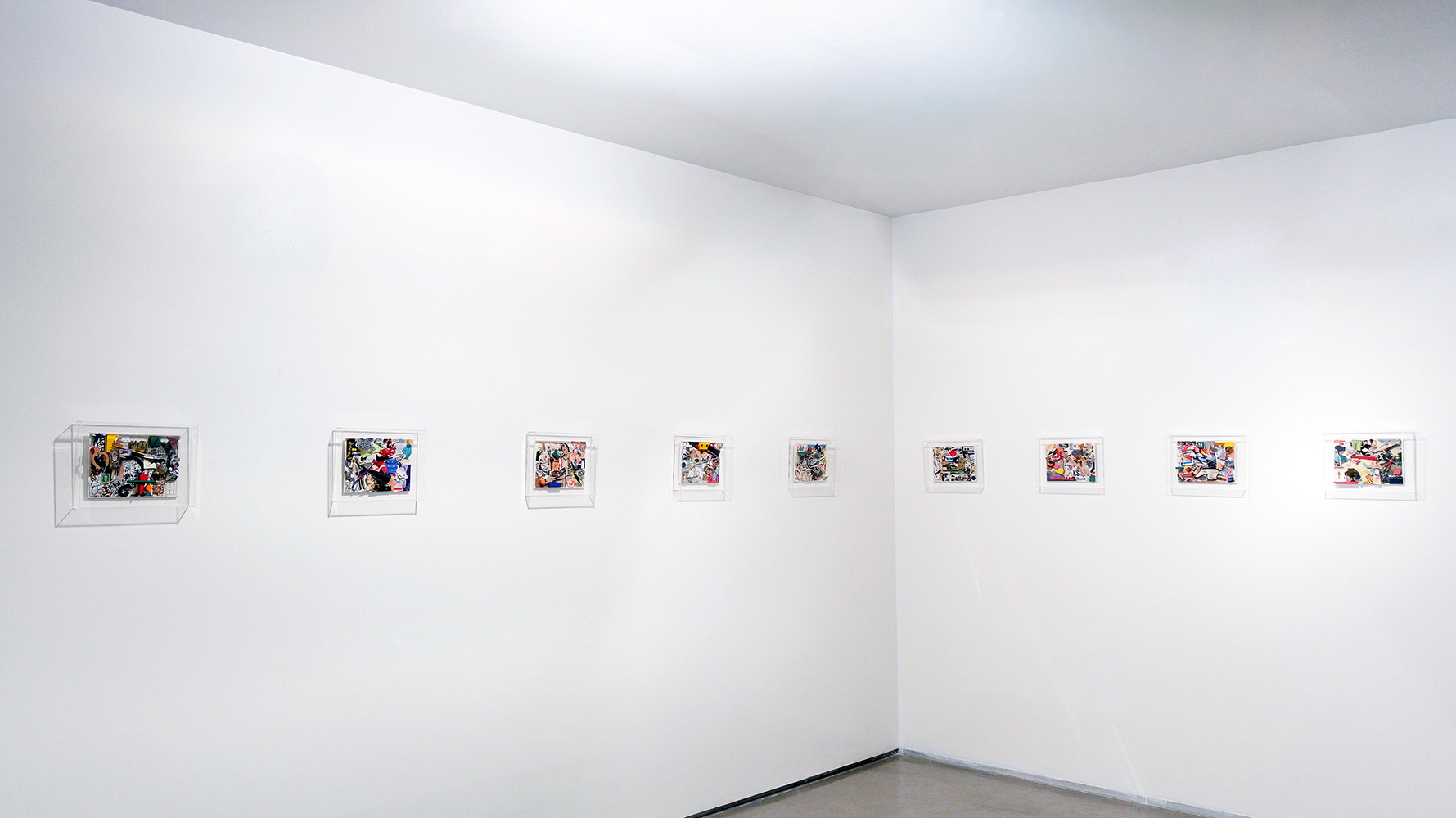
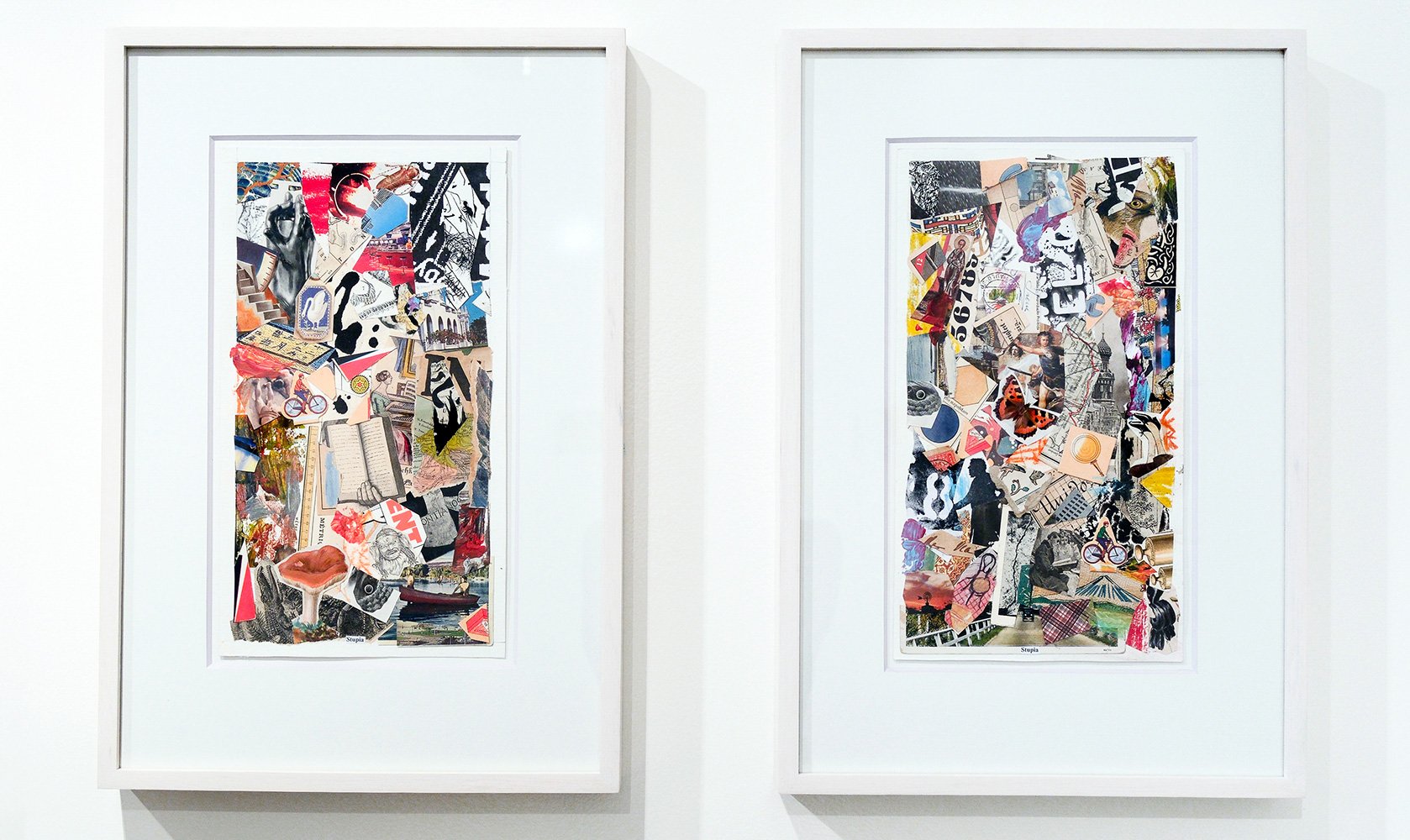
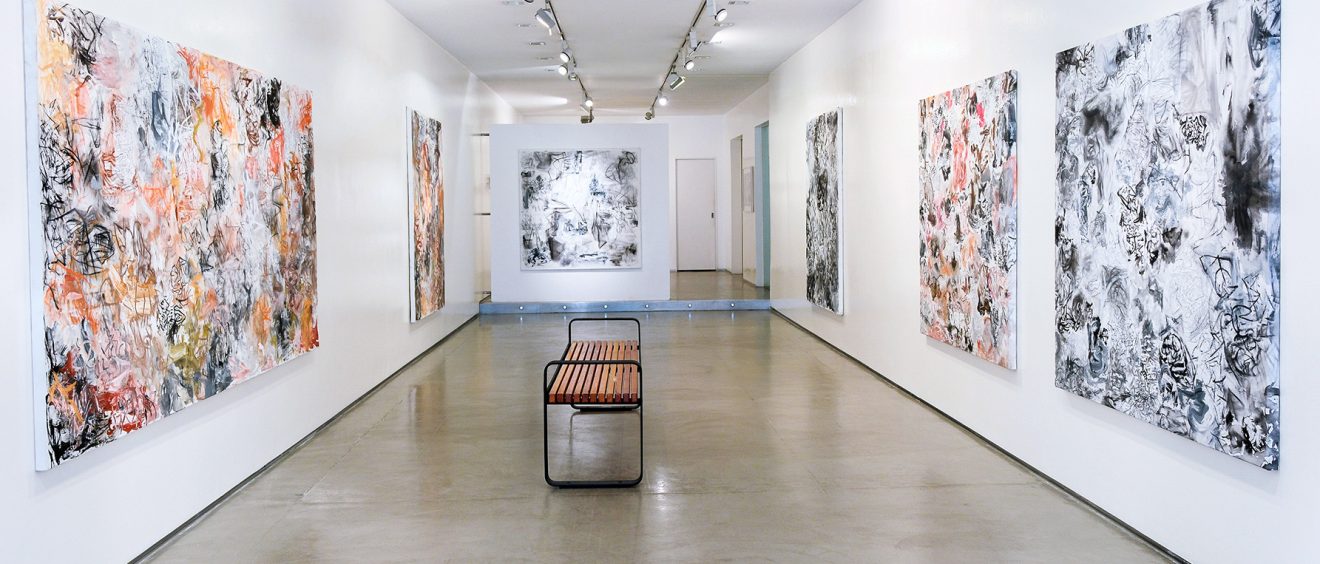
This year marks fifty years since my beginnings in this profession, when Luis Felipe Noé generously included me, along with three of his disciples from that time (Carlos Bissolino, Raúl Rodríguez, Luis Pereyra), in an exhibition he organized at the Galería Arte Múltiple. I retain a very physical memory of how I drew in those distant days and nights, especially because of the way the style and character of those drawings depended on an action that unfolded at a very slow pace.
At that time I did not reflect on that relationship, nor on almost anything else; I simply focused on making sure the “grammar” remained almost microscopic, based on the decision that the viewer would have to come very close to the work to detect what might be legible in what, from a distance, seemed like an undifferentiated tangle.
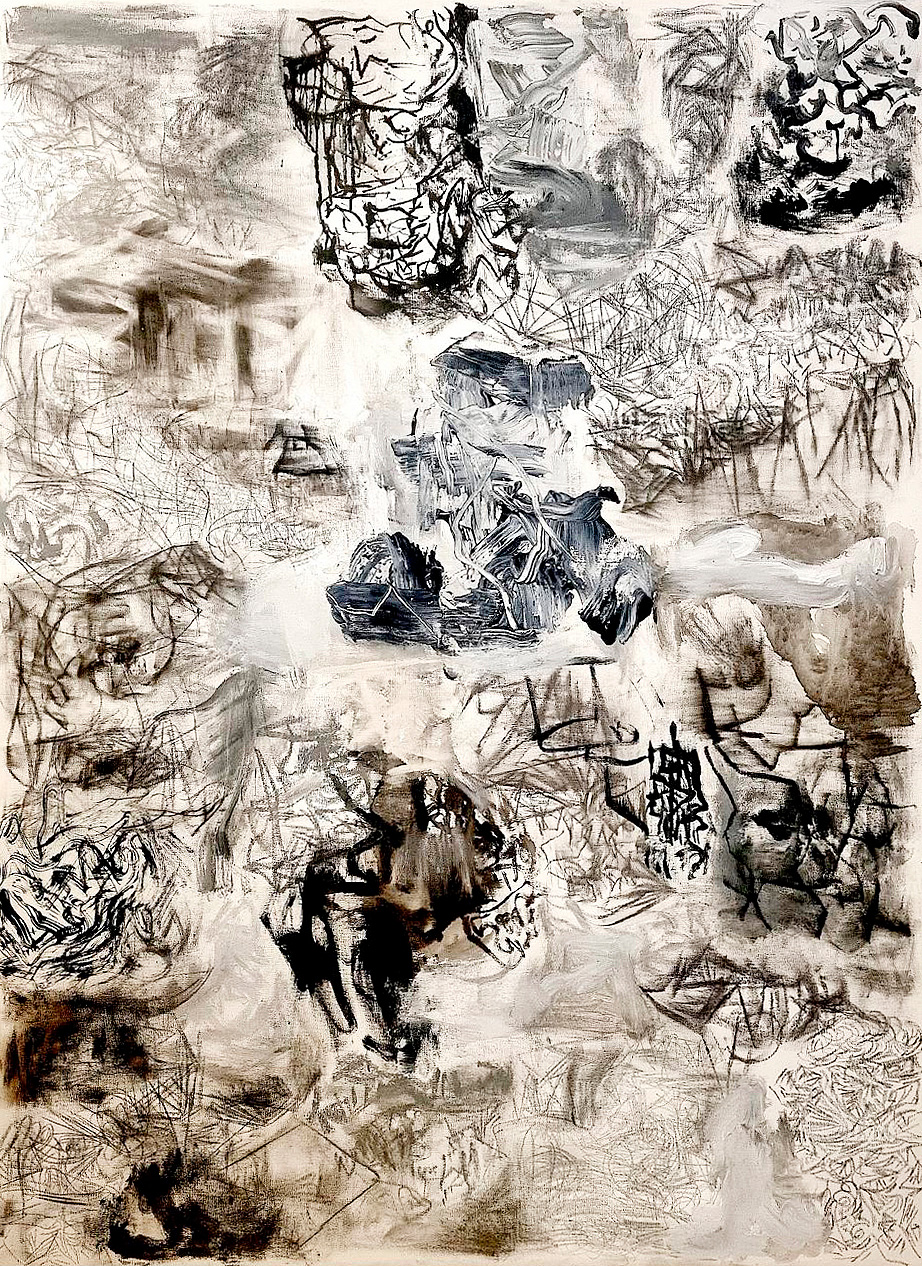
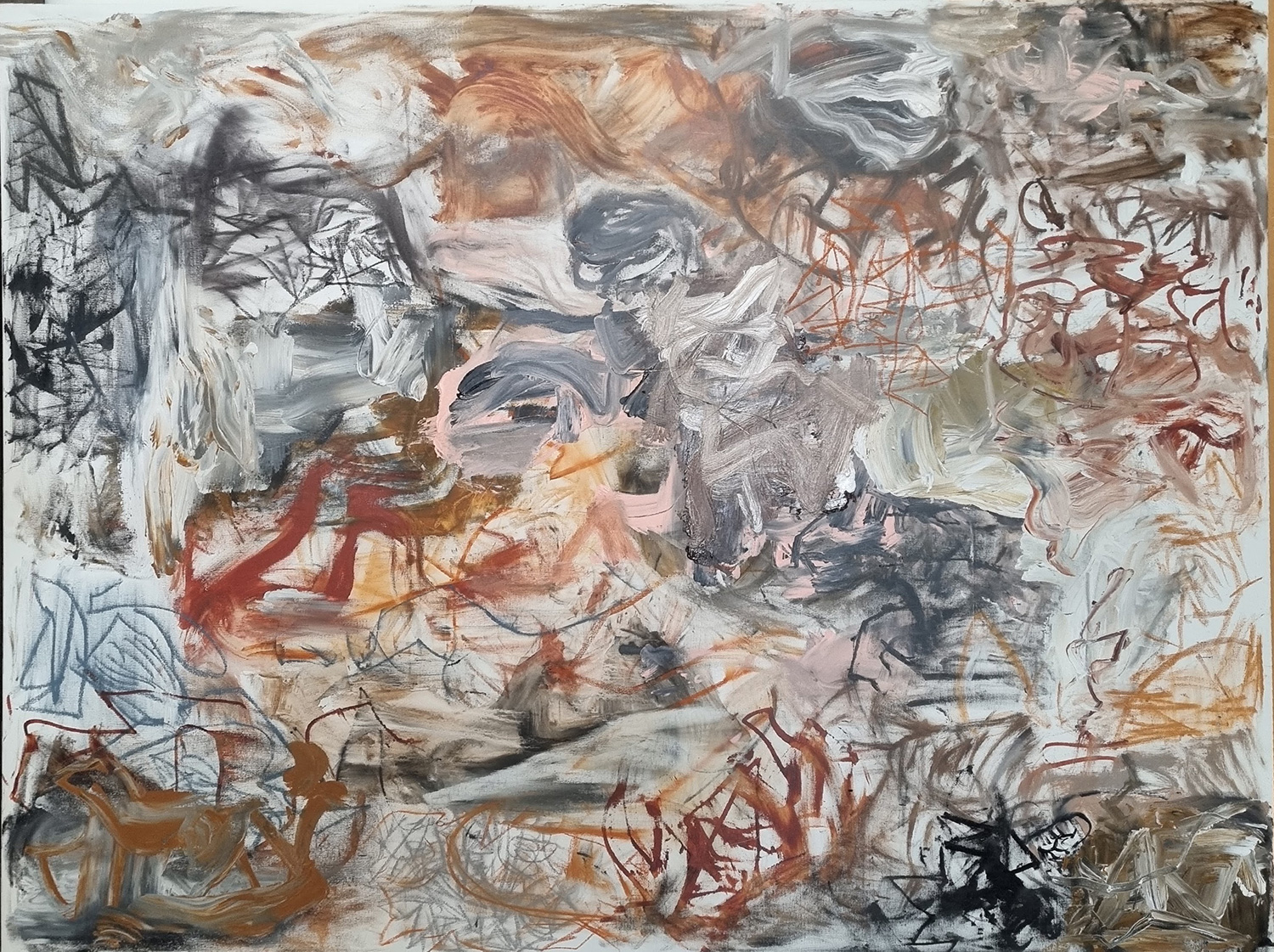
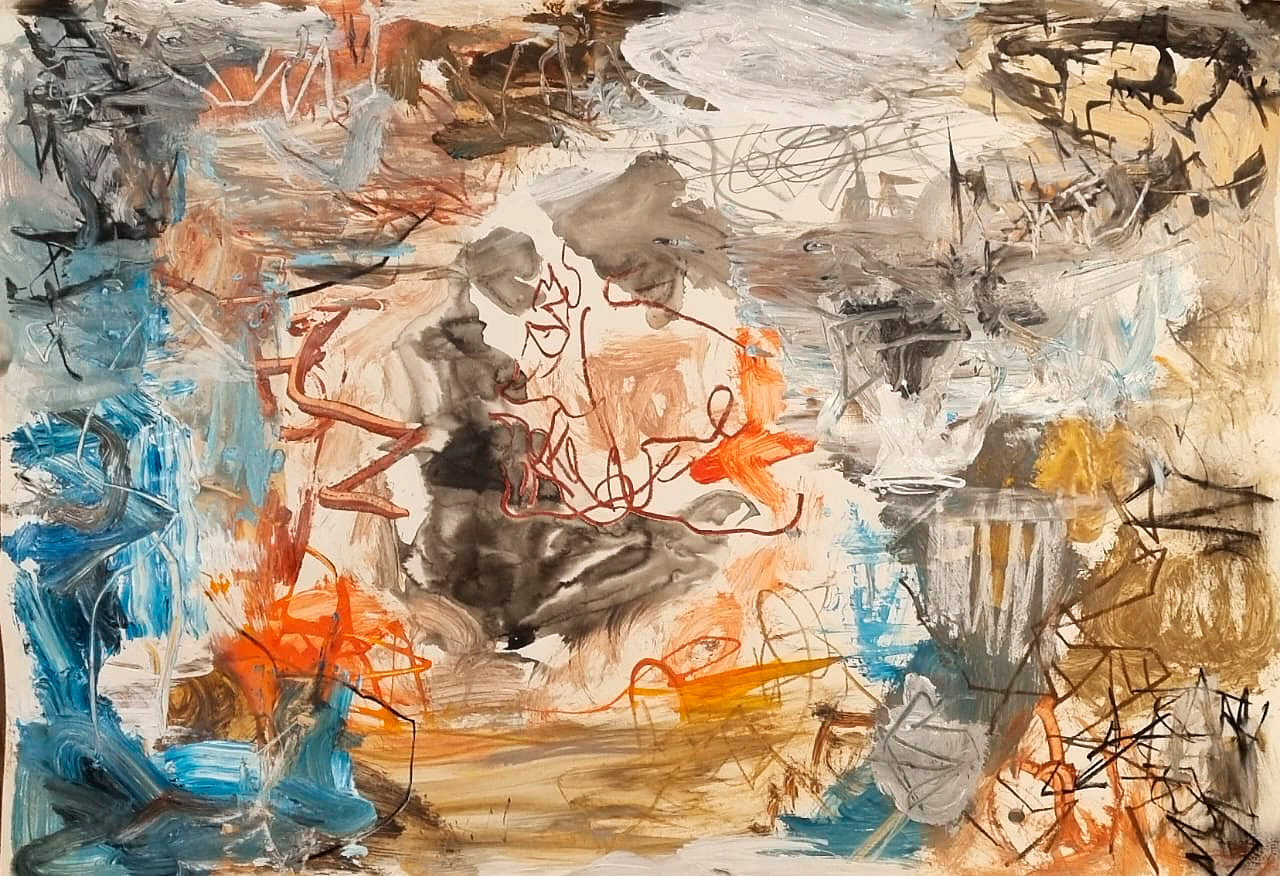
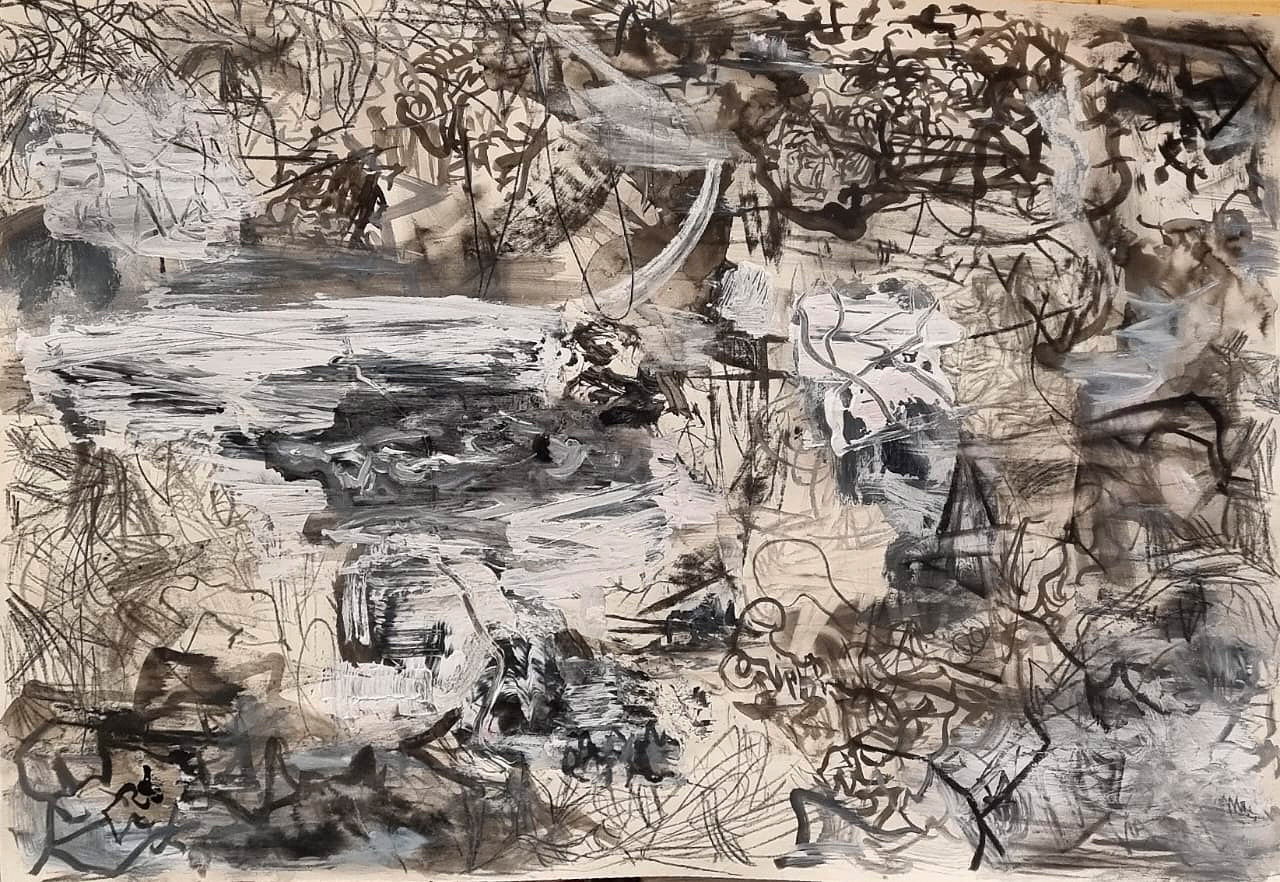
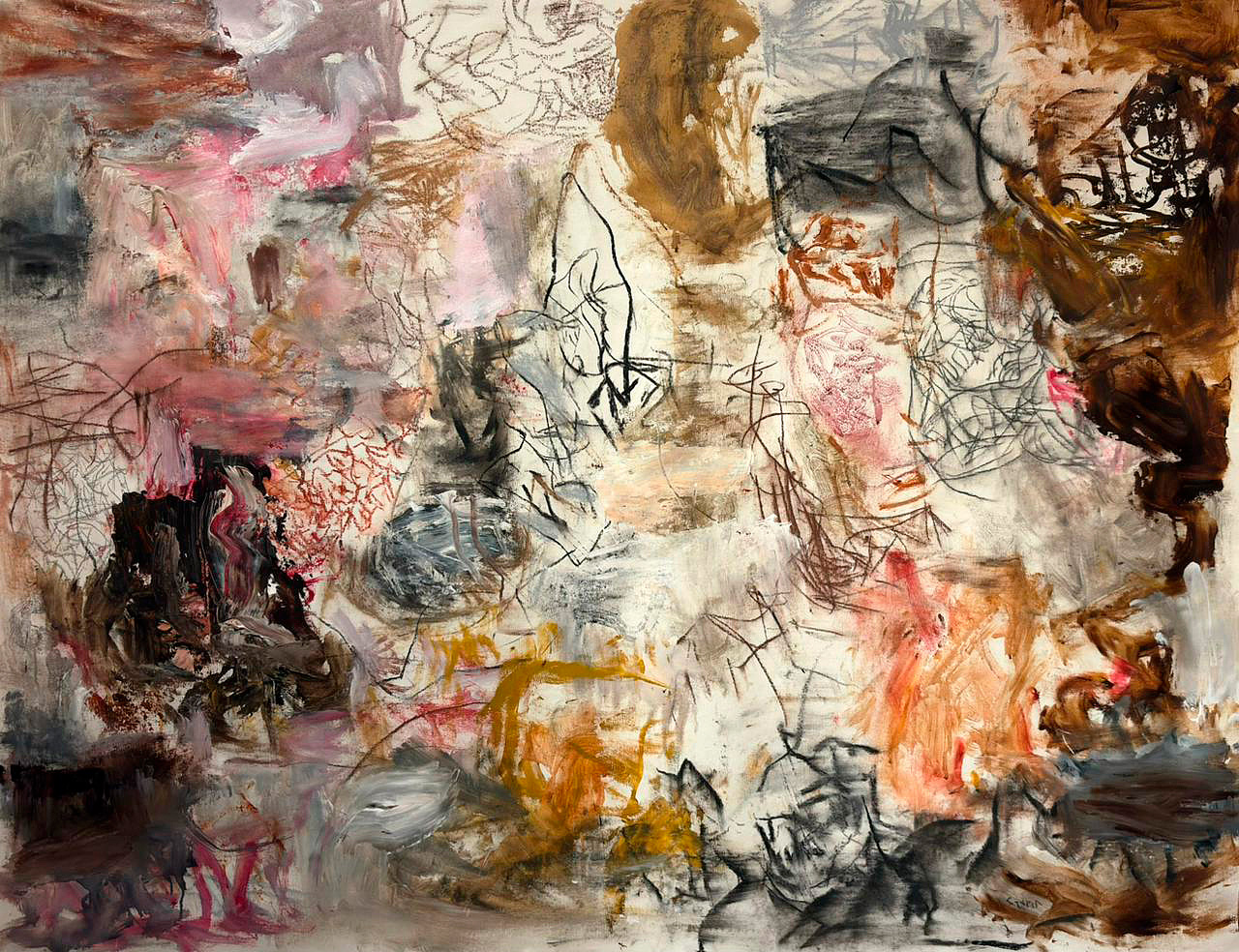
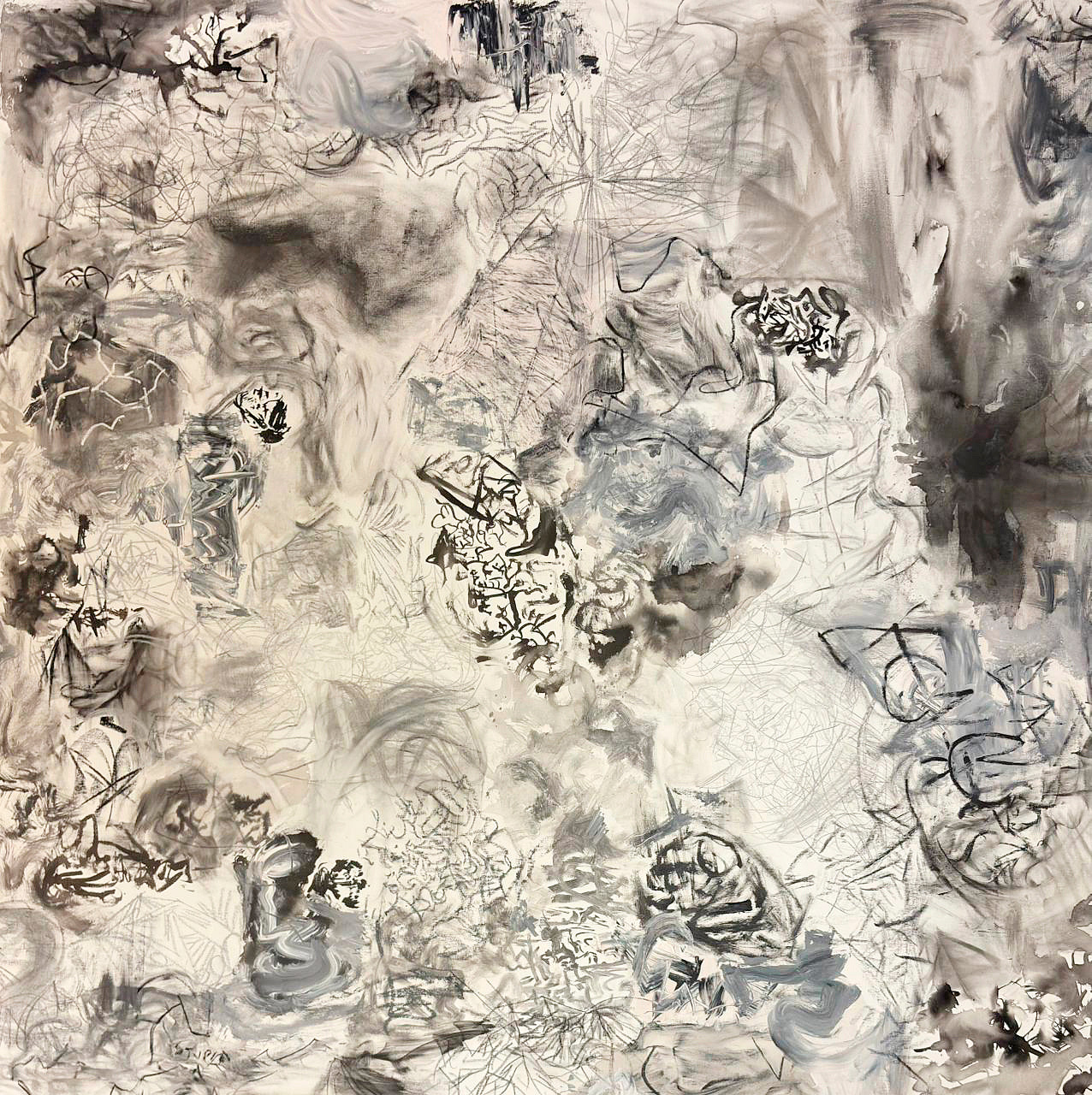
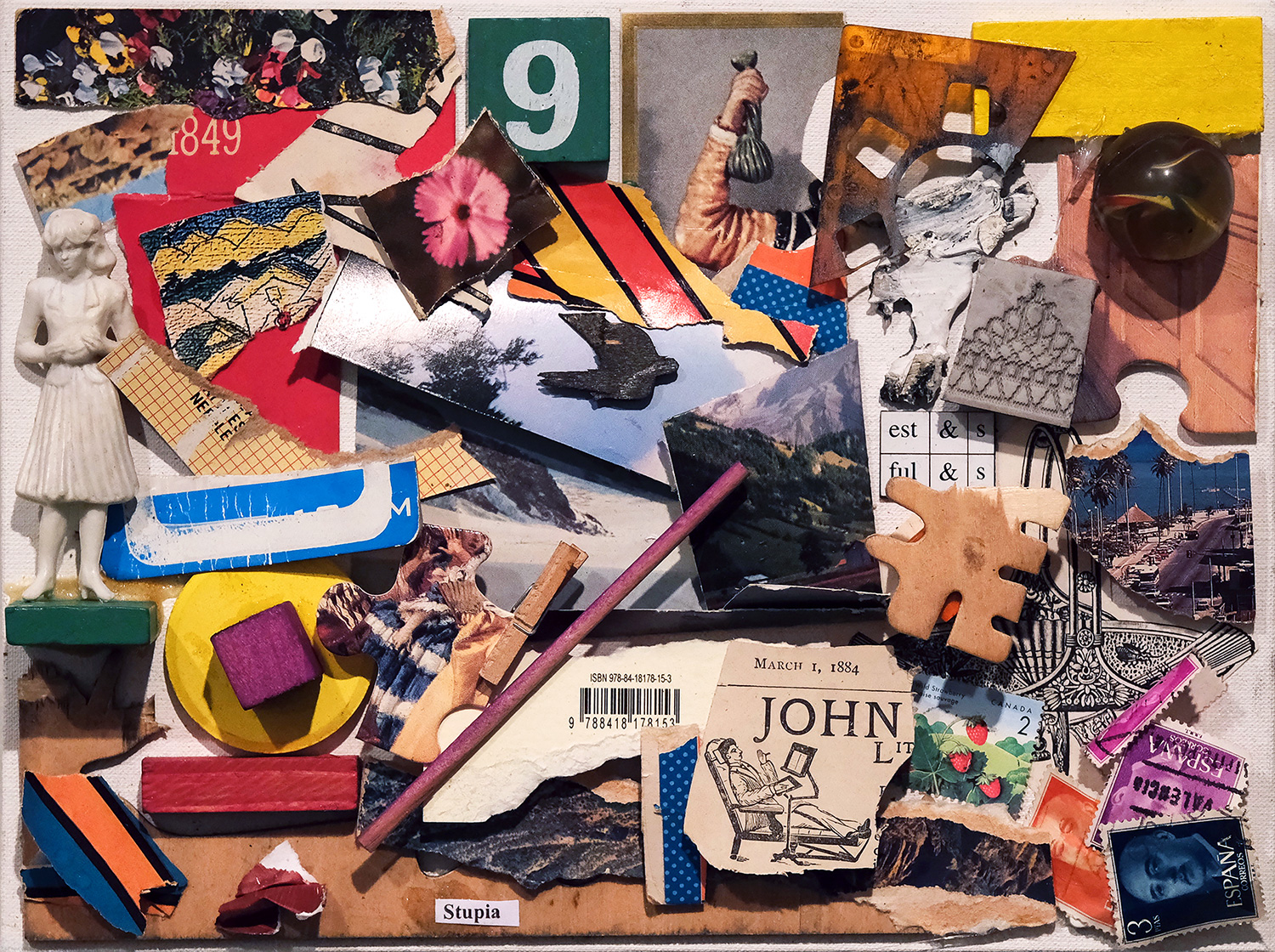
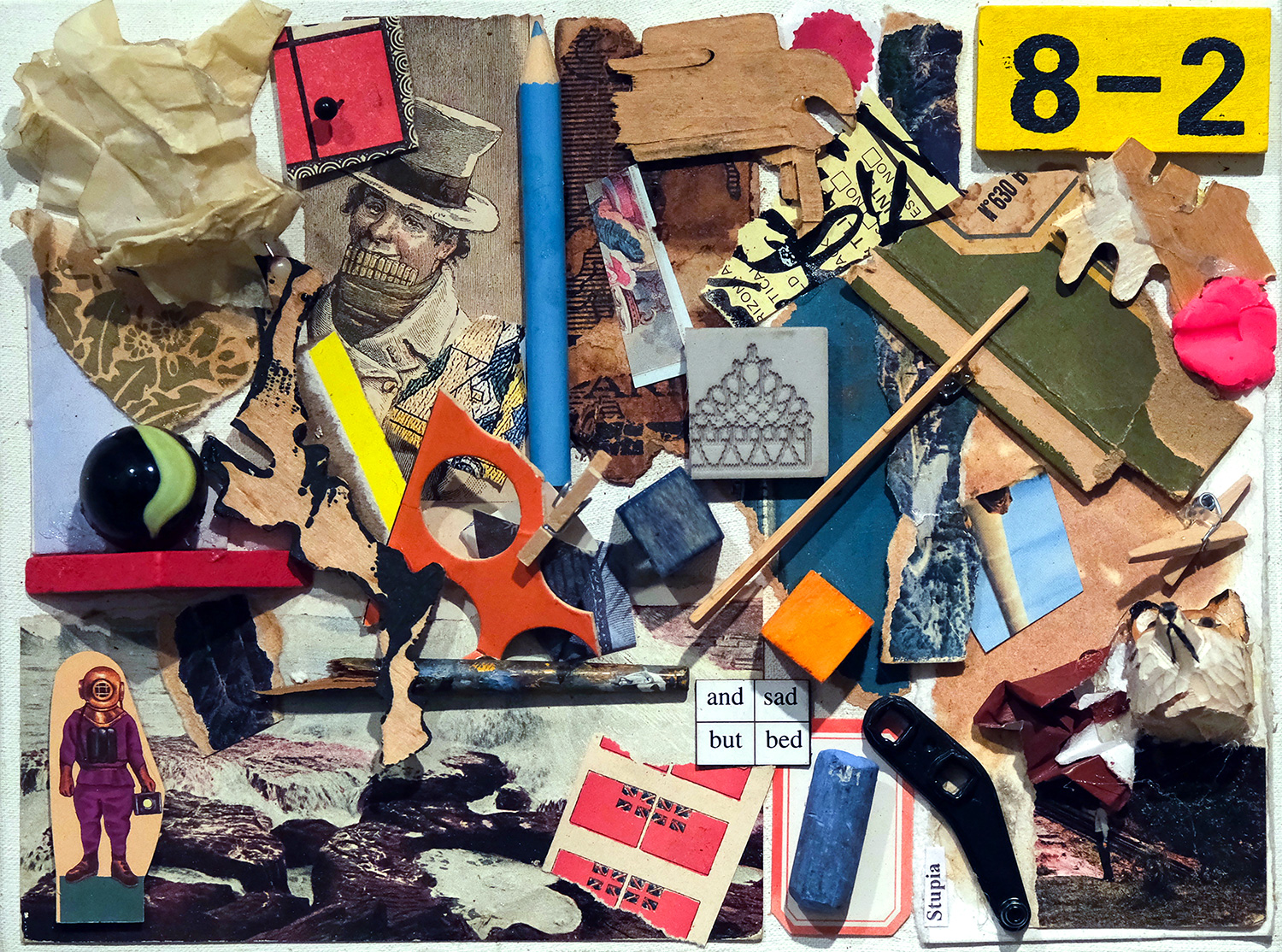
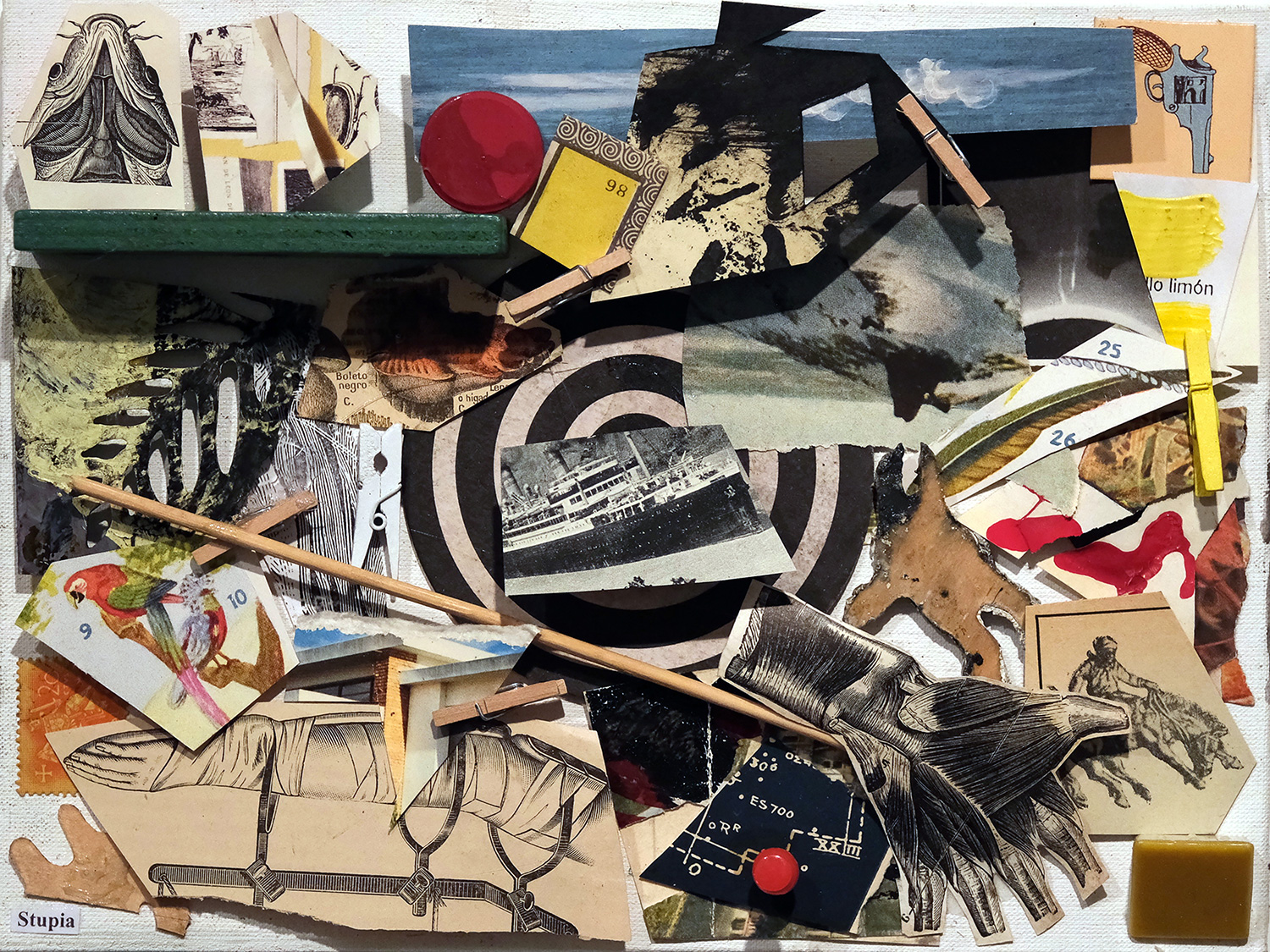
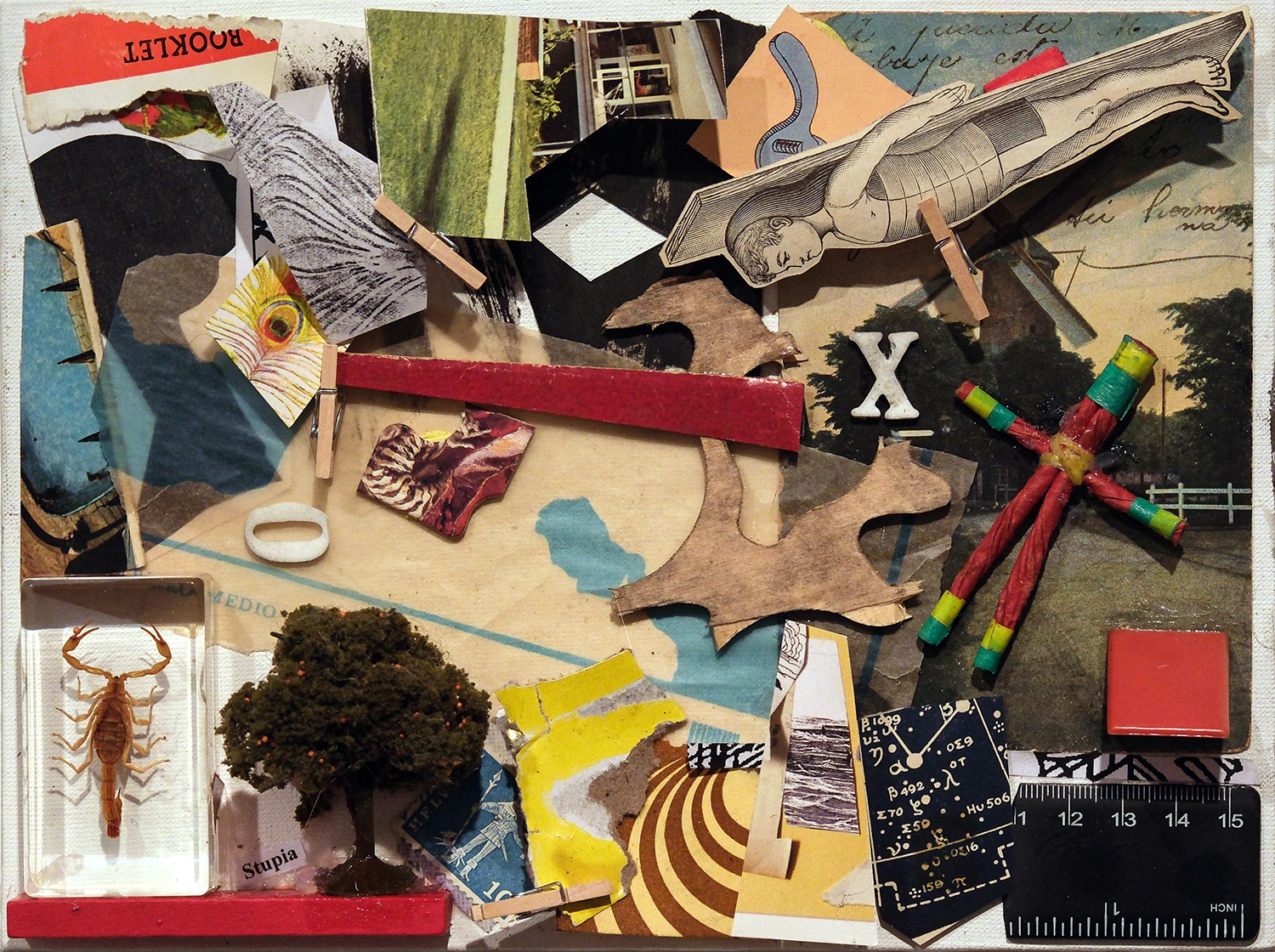
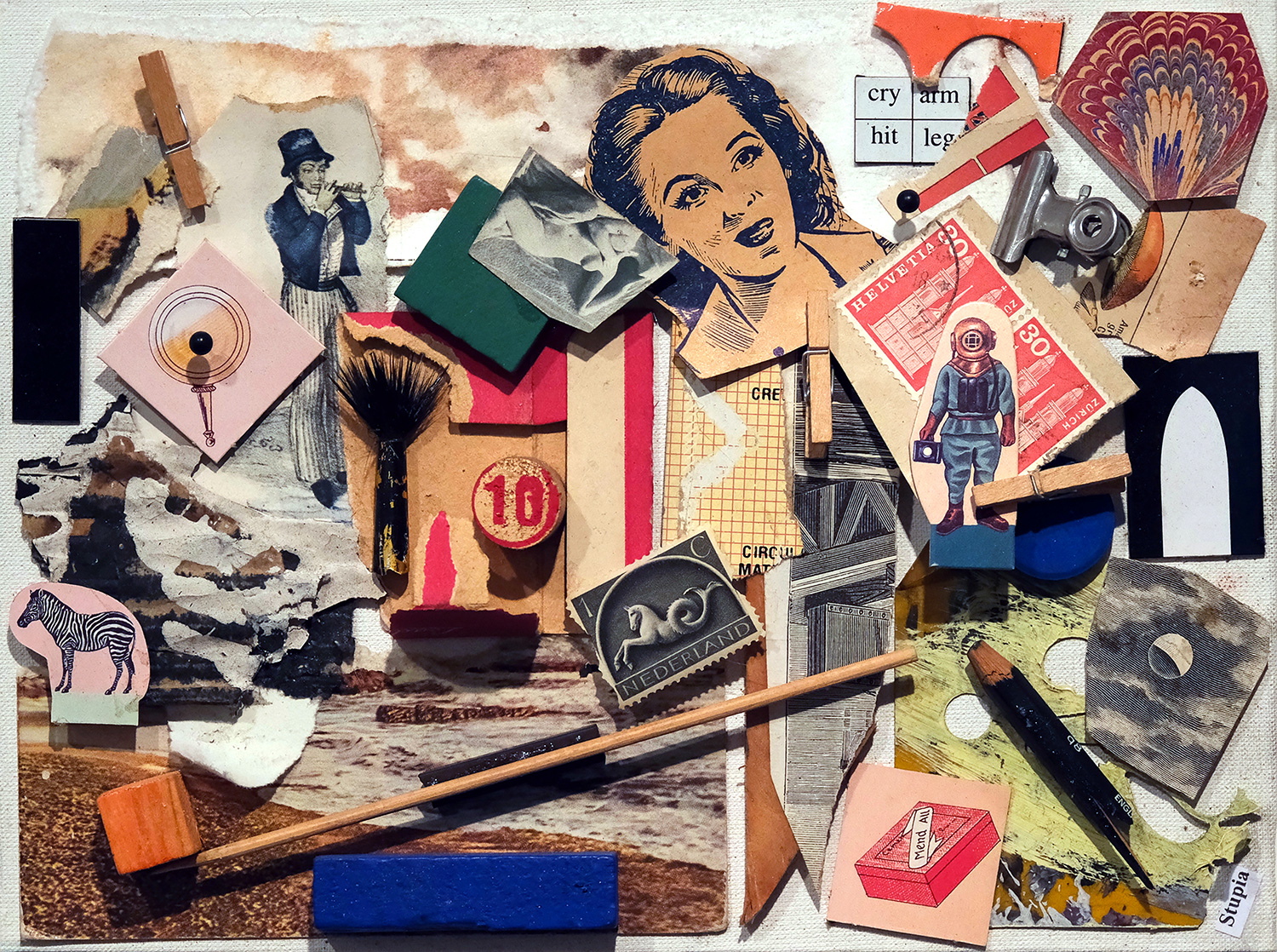
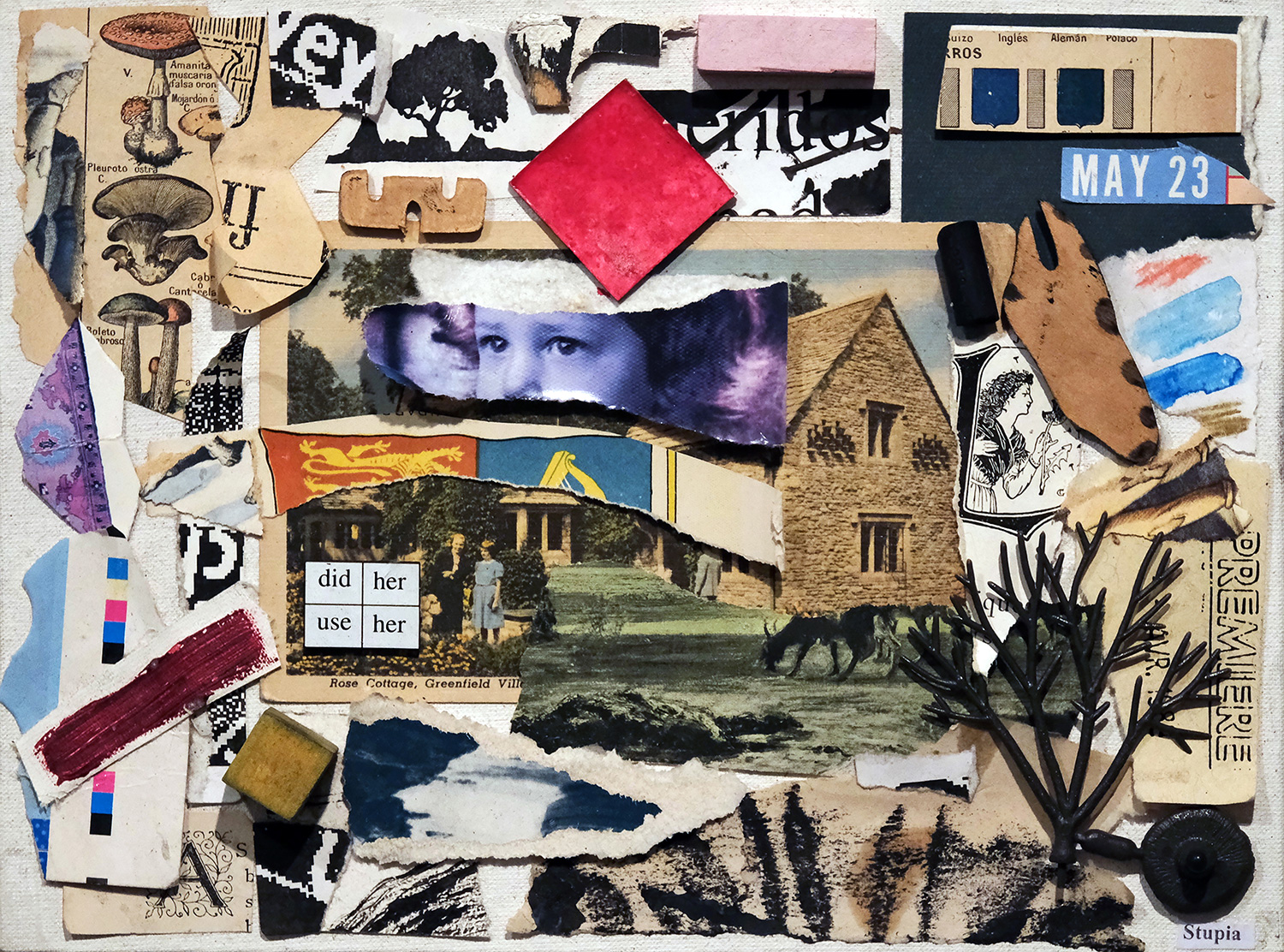
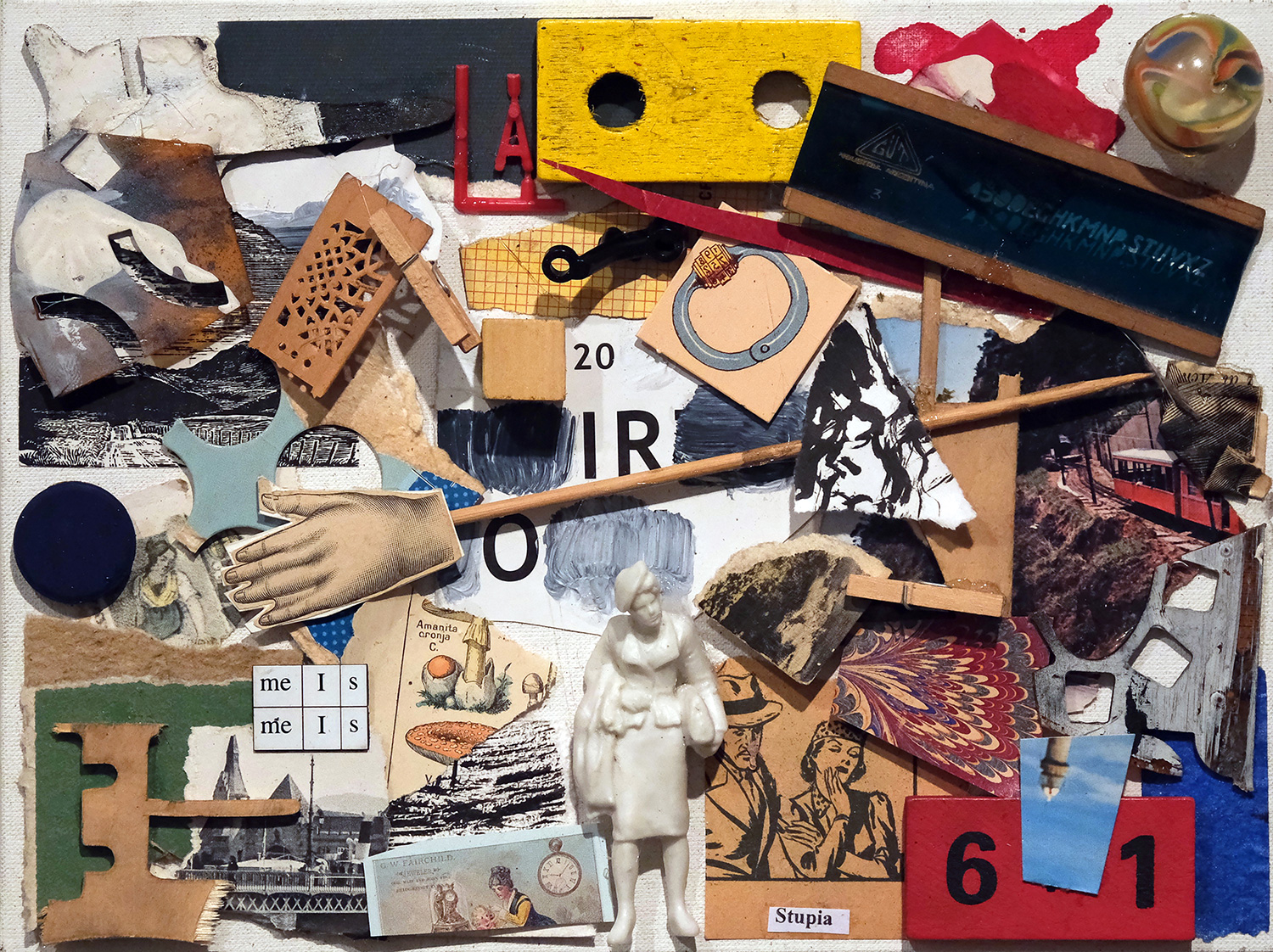
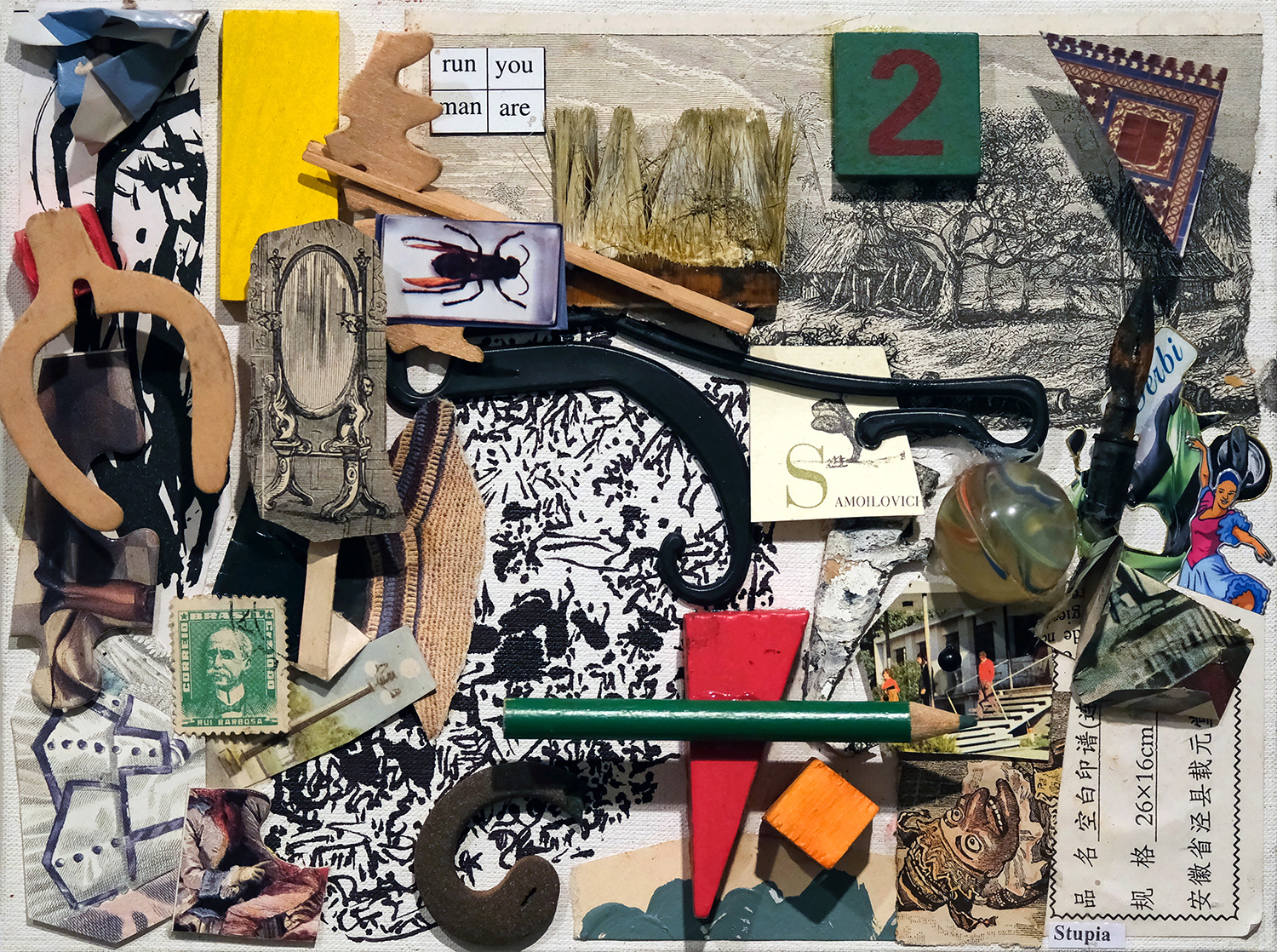
As I gradually gained skill with other materials and tools—no longer only ink and nib—what had been a kind of figurativity confined to linear “molecules” became an interrelation of elements arranged across highly varied internal dimensions. That puritanical intensity of the early years slowly receded, allowing a more heterogeneous and unstable field to emerge, made up of what might be called “pure” graphic language.
Up to that point, and although I had already begun to reflect on certain aspects and phenomena of my practice, I did not yet have a full understanding of the relationships between different kinds of time: the physical time, the time of bodily manual work (at times in harmony with, and at others in tension with, the time of making the work), imaginary time, and the ever-influential times of the world and its circumstances. My modest territory was orderly and largely free of evident disturbances, except for those that arise within the work itself, as part of trials, experiments, and failures.
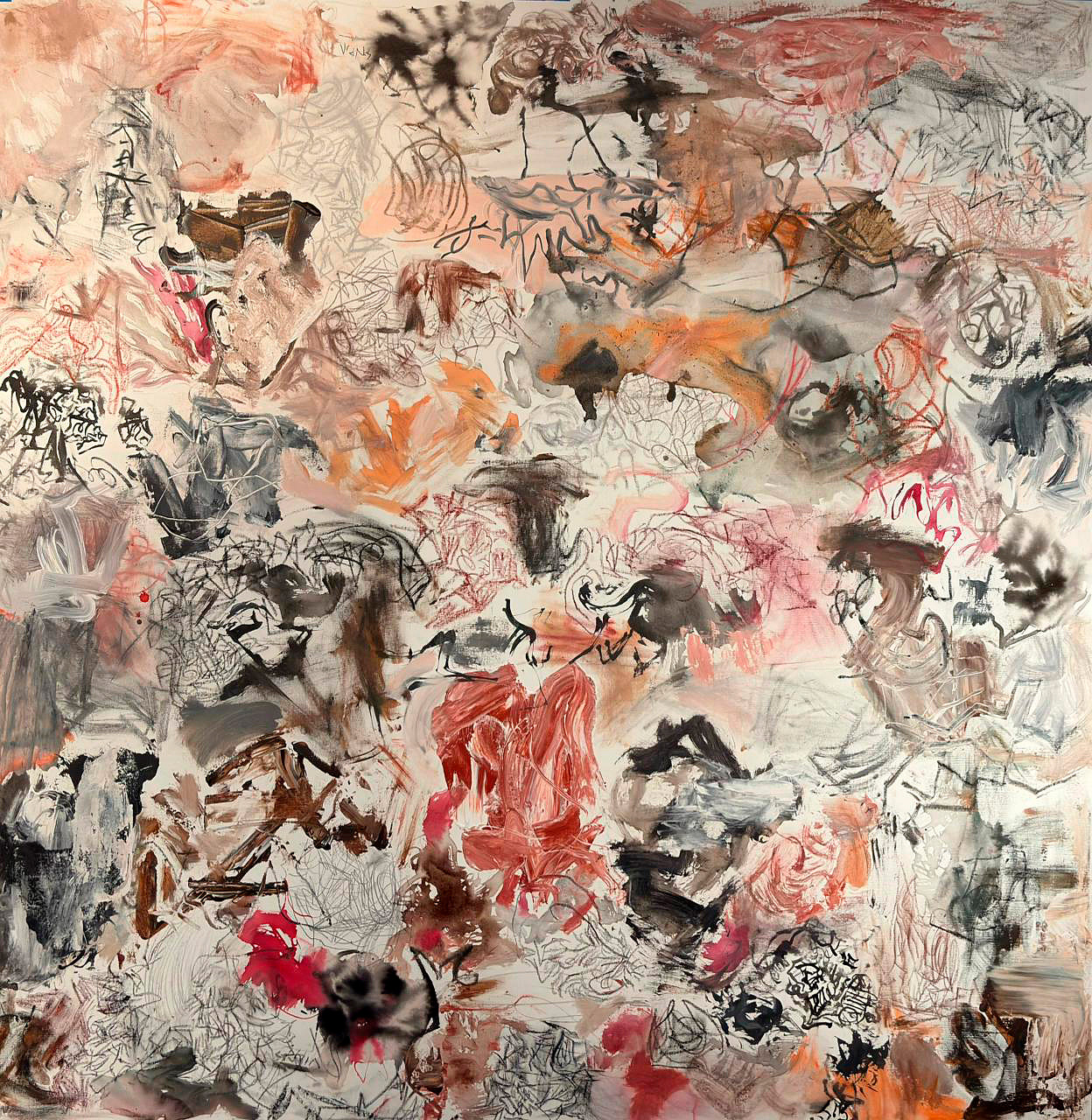
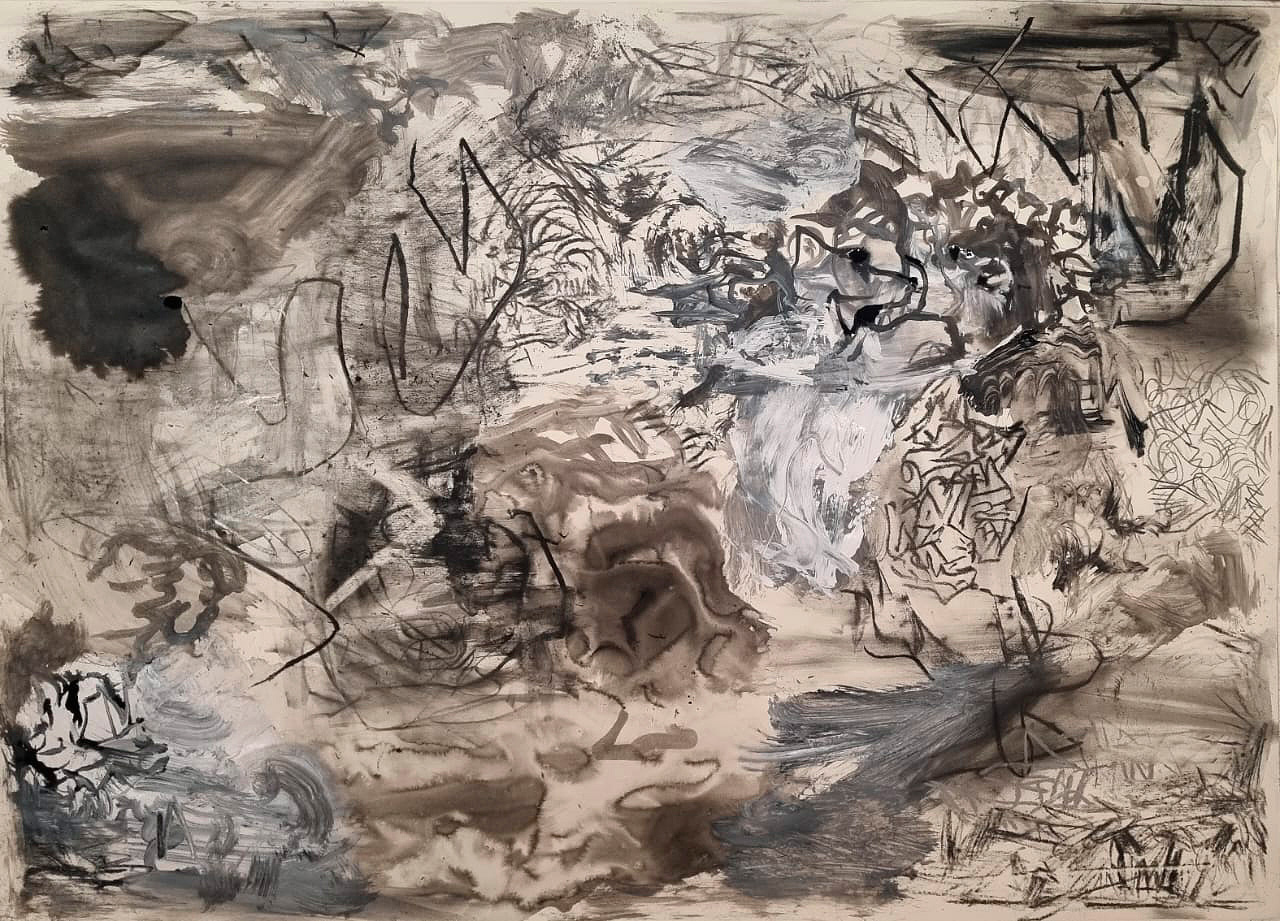
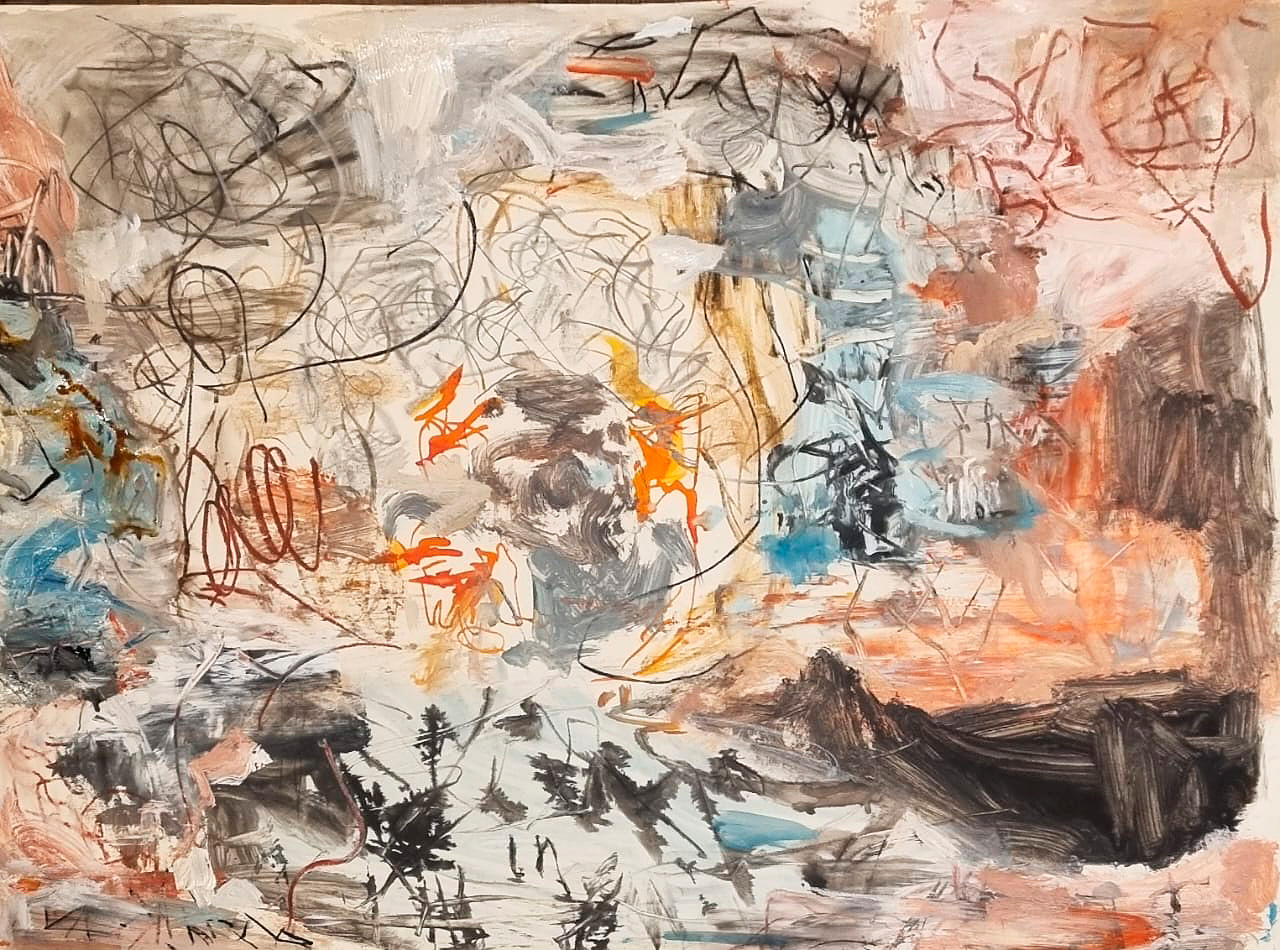
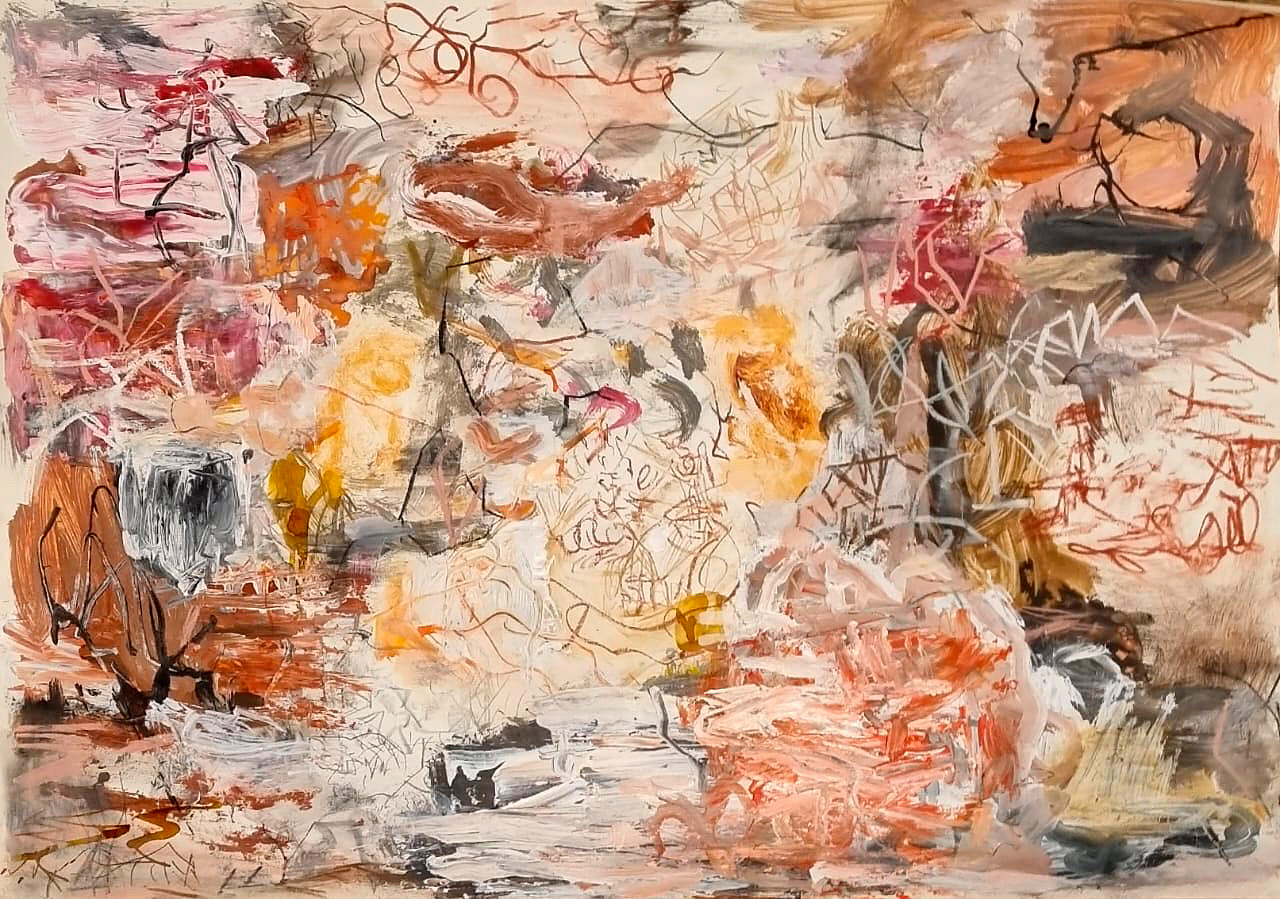
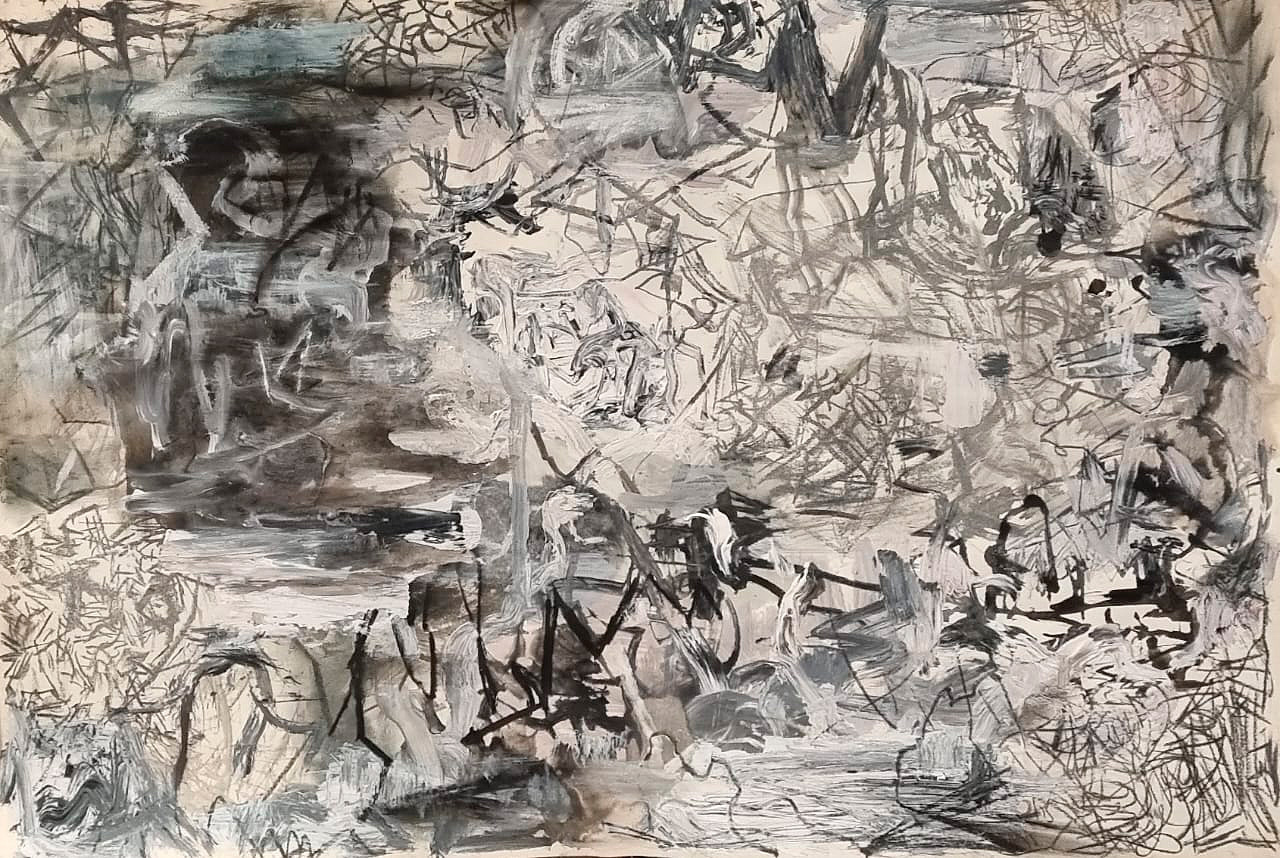
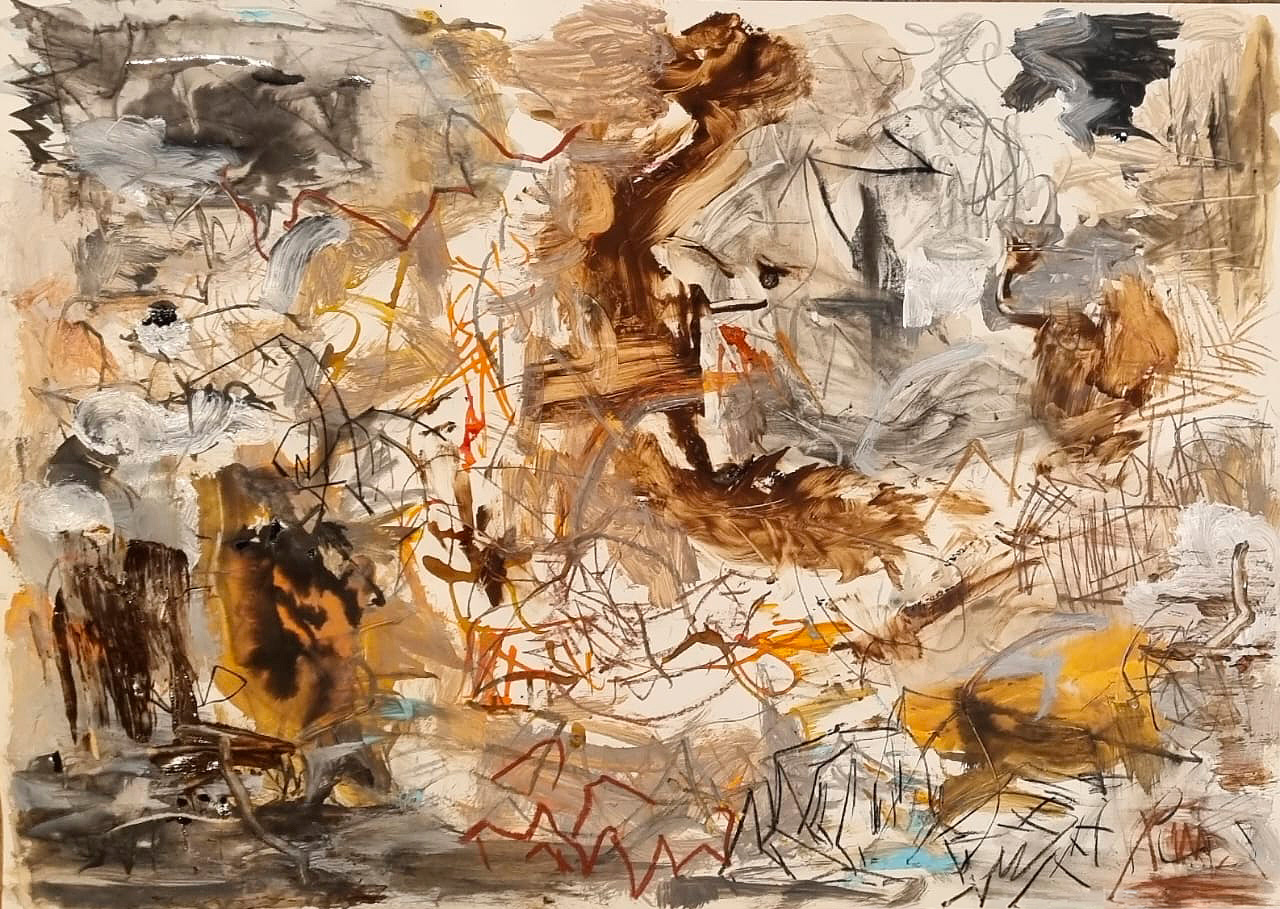
At the same time, that programmatic slowness of the beginnings had gradually been confined to a melancholic evocation, while the active forces accelerated or were set in motion, expanded or contracted, rushed forward or held back at the mercy of a temporality with strange characteristics and difficult—if not impossible—to measure. Likewise, it was and still is futile to determine where it comes from: whether it is a fortunate imposition of the materials themselves, an intrinsic element of the language, or simply the metabolism of energy in action.
Be that as it may, this phenomenon has intensified. Although it can be said that the DNA of those early works and these more recent ones is the same, a kind of electric unease now seems to have spread across the surface, and the usual authorial formal traits appear visible yet uncomfortable, as if what could once be described as a use of improvisation had now become uncontrollably unforeseen; as if the sustaining and consolidation of a direction had been overtaken by the germ of provisionality.
And what, year after year and work after work, could be seen as an accumulation, a multiplication, and a subdivision of visual logics, now suddenly withdraws to itself in the transient, and in a resulting disbelief in the illusion of persistence.
In memory of Daniel Samoilovich